
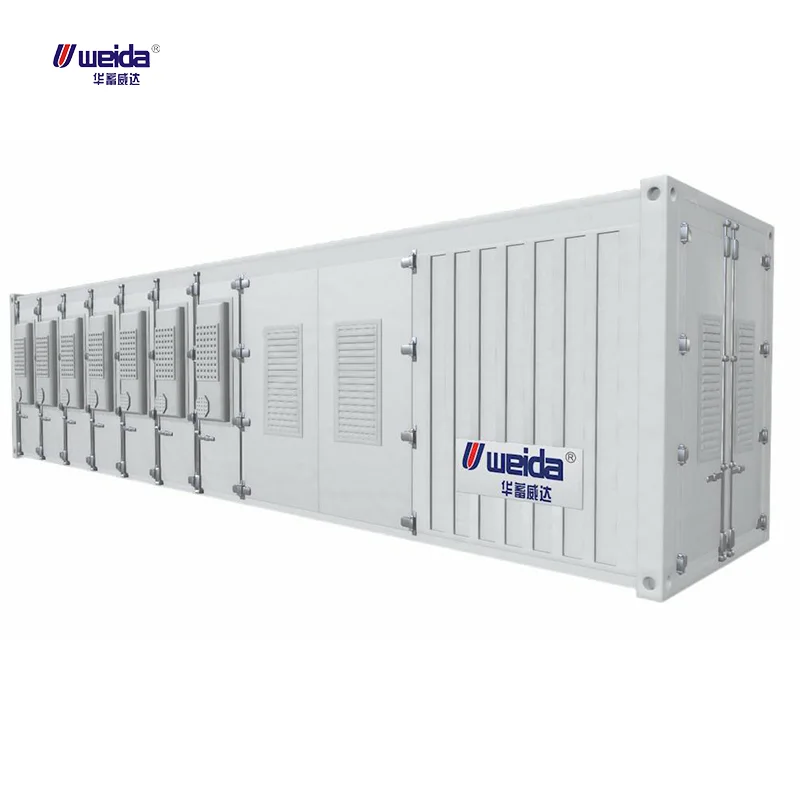
C&I Energy Storage
A family of cabinet and integrated battery energy storage formats for measured commercial and industrial project requirements.
Response target: within 12 hours for project inquiries
Application / Commercial & industrial
C&I battery storage should be sized from interval load data and a defined operating objective, not from facility area or monthly consumption alone.
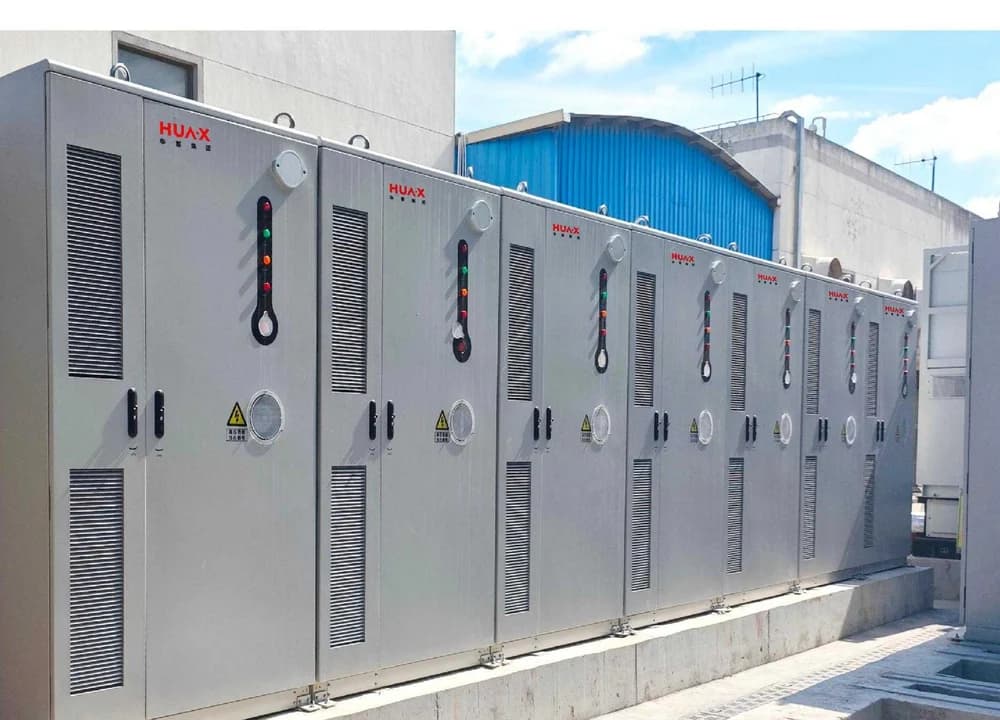
C&I battery storage should be sized from interval load data and a defined operating objective, not from facility area or monthly consumption alone.
A commercial site may want peak management, solar self-use, resilience, demand response, or several services at once. Those goals impose different power, duration, controls, metering, and availability requirements, while the electrical service and operating schedule limit what the system can do.
Model the baseline load and tariff first, separate kW demand from kWh duration, then test candidate dispatch strategies. The battery, PCS, EMS, switchgear, transformer, protection, thermal system, and site interface should be reviewed as one operating system.
A useful technical brief describes the operating problem before naming a product. Follow the steps below so the proposal can be sized against real loads, constraints, and operating priorities.
Start with interval site-load data, the tariff and the interval used to calculate billed demand. Set the grid-import limit and identify how long the battery must support it. Monthly electricity consumption alone cannot establish the required battery power or usable energy.
Compare rated power, nominal energy, electrical interface, operating conditions and supply scope together. Then request usable energy for the intended duty and measurement point. A larger nameplate energy figure does not establish the required runtime, backup function or service-year performance.
Use one row per recorded interval. Keep measured, forecast and proposed records distinct. Power fields contain interval averages; do not relabel instantaneous readings as averages. Energy fields contain interval energy, not cumulative meter registers. Enter charging, discharging, import and export as separate non-negative magnitudes. Identify AC and DC boundaries without converting one into another by assumption.
Fill measurement fields only from available records. EV fields may be inapplicable to C&I sites; BESS fields may be unavailable before installation. Record missing or inapplicable fields and the reason. If the sampling interval is unknown or irregular, leave it blank and explain. This interval sheet accompanies the charging-session, tariff, grid-limit and operating-priority information described in the guides; it does not replace them.
Blank means unavailable, not supplied or not applicable; it never means zero or pass. Enter zero only when the source explicitly records zero. Do not include names, email addresses, phone numbers, driver identities or payment data.
| CSV field | What to record |
|---|---|
| interval_start_iso8601 | Interval start, including a UTC offset. |
| interval_end_iso8601 | Interval end, including a UTC offset. |
| time_zone_iana | Site time zone for operating and billing periods. |
| original_sampling_interval_s | Original source sampling interval in seconds; preserve native resolution. |
| record_basis | Identify measured, forecast or proposed records. |
| measurement_boundary_notes | Identify the meters and boundaries for the populated fields. |
| site_ac_import_average_power_kw | Average AC power imported at the site boundary. |
| site_ac_export_average_power_kw | Average AC power exported at the site boundary. |
| site_ac_import_energy_kwh | AC energy imported during this interval. |
| site_ac_export_energy_kwh | AC energy exported during this interval. |
| charger_ac_input_average_power_kw | Average AC power entering the identified charger or charger group. |
| charger_ac_input_energy_kwh | AC energy entering that charger or group during this interval. |
| vehicle_dc_delivered_energy_kwh | DC energy delivered to vehicles during this interval. |
| bess_ac_charge_average_power_kw | Average charging power entering the BESS AC boundary. |
| bess_ac_discharge_average_power_kw | Average discharge power leaving the same BESS AC boundary. |
| bess_ac_charge_energy_kwh | Charging energy entering the BESS AC boundary during this interval. |
| bess_ac_discharge_energy_kwh | Discharge energy leaving the same BESS AC boundary during this interval. |
| bess_soc_at_interval_start_pct | Recorded battery state of charge at interval start. |
| bess_soc_at_interval_end_pct | Recorded battery state of charge at interval end. |
| missing_fields | List unavailable or inapplicable field names for this record. |
| missing_data_reason | Explain missing or inapplicable data, or state that the reason is unknown. |
| source_reference | Reference the original export using a non-personal file or record ID. |
Product starting points
Use published ratings to create a shortlist, then confirm the final configuration against the project data and site conditions.
A family of cabinet and integrated battery energy storage formats for measured commercial and industrial project requirements.
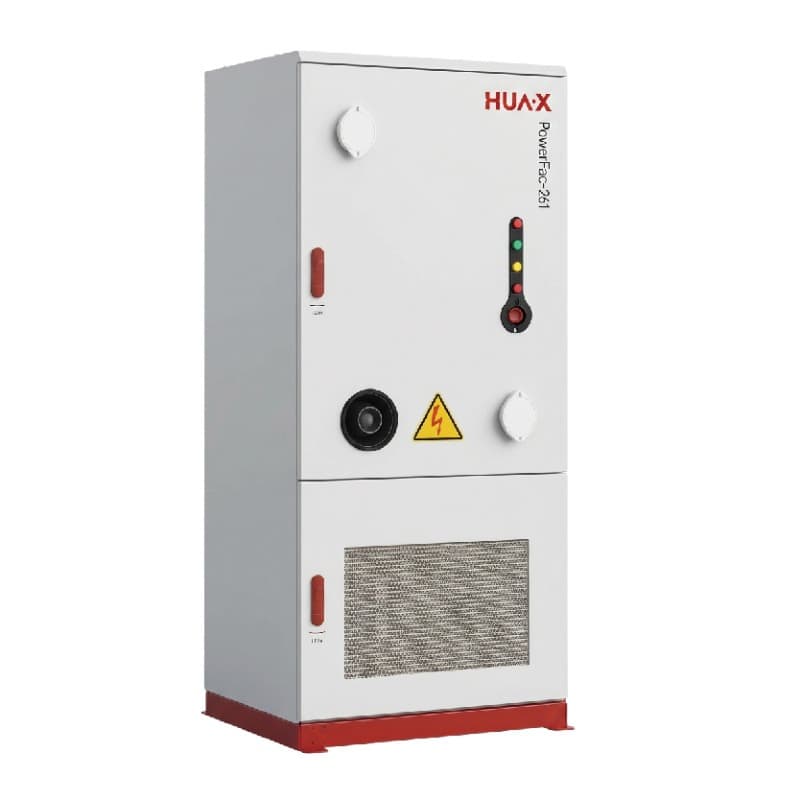
An all-in-one outdoor liquid-cooled system rated at 125 kW / 261 kWh for commercial, industrial, charging, and low-voltage distribution applications.
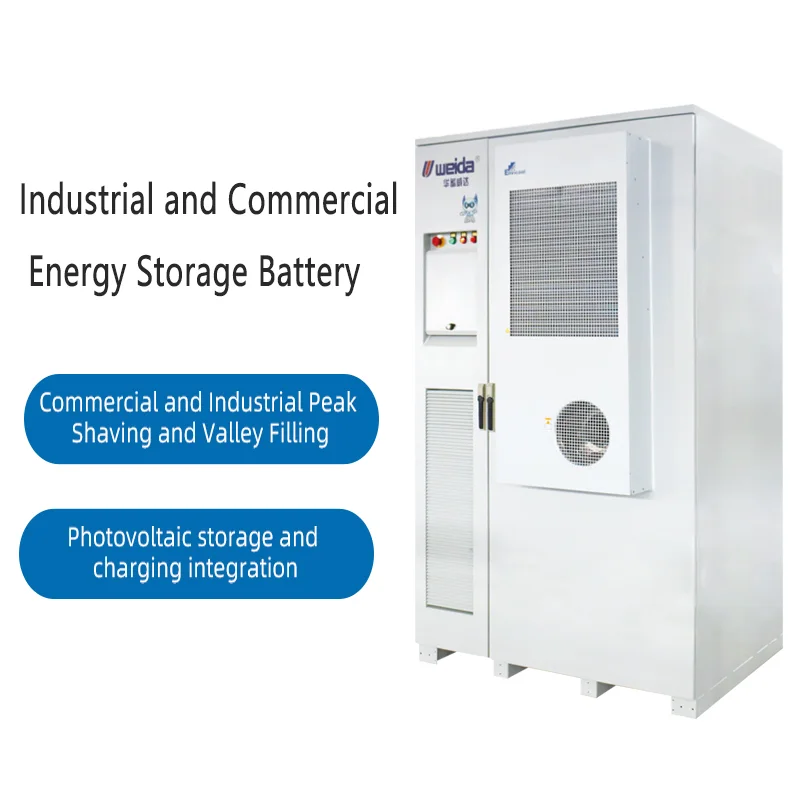
An outdoor LFP battery energy storage cabinet with a 100 kW power rating and 215 kWh nominal energy rating.
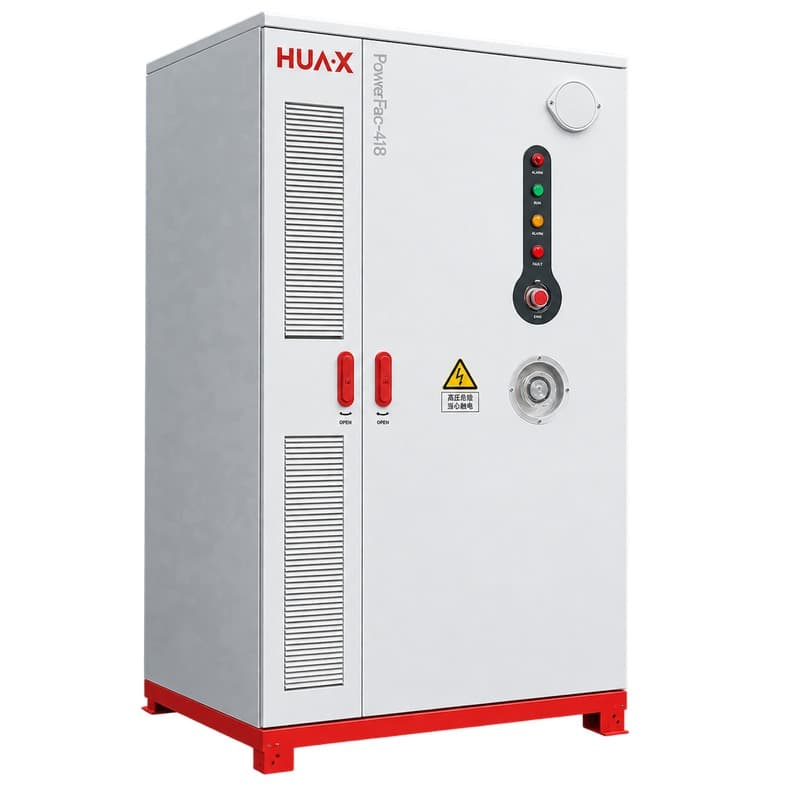
A liquid-cooled outdoor battery cabinet with 418 kWh nominal energy, 1331.2 V nominal DC voltage, and 314 Ah cell capacity.
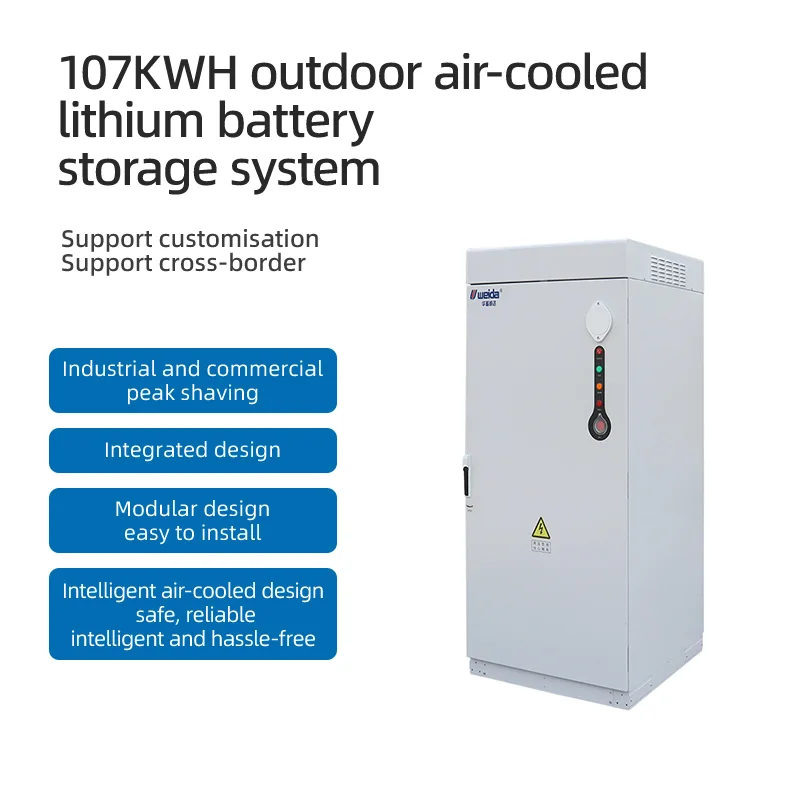
An outdoor air-cooled lithium battery storage system with 20 kW power and 107.52 kWh nominal energy ratings.
Technical reading
A defensible C&I battery energy storage system size comes from interval load data, a ranked operating objective, power constraints and usable energy at a stated measurement point. Start with the duty the site needs, then evaluate the cabinet or container configuration against it.
Read guide →Air and liquid cooling are system-level choices. Compare heat density, temperature uniformity, ambient conditions, parasitic demand, acoustic limits, maintenance, fault response, and site layout—not capacity alone.
Read guide →A useful BESS RFQ states the operating objective, site data, power, usable energy, duration, electrical interface, environment, safety requirements, scope split, documents, and acceptance criteria.
Read guide →Frequently asked questions
Battery storage options for your site’s loads and operating needs.