
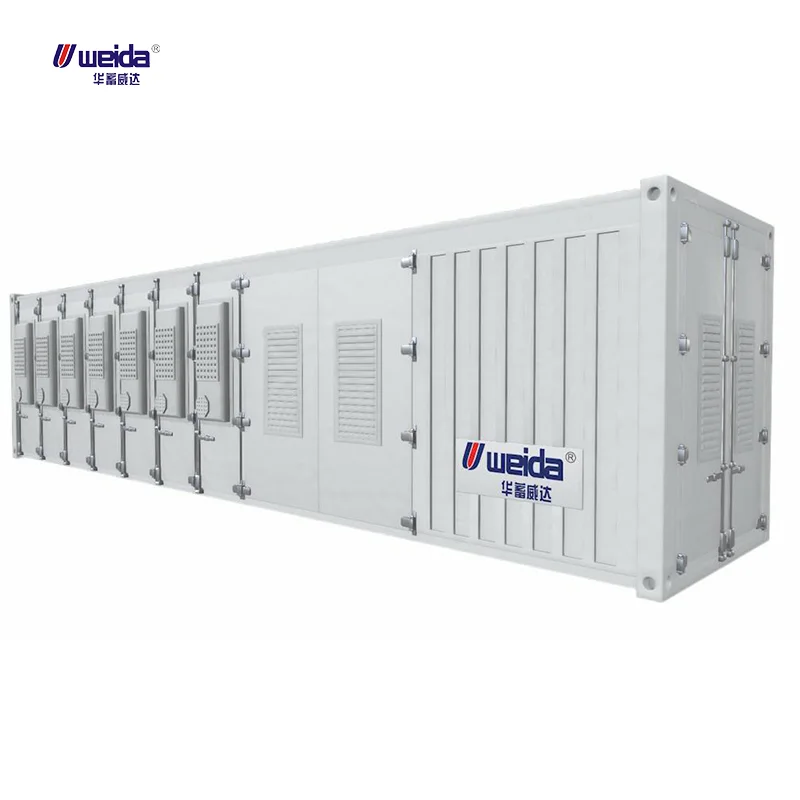
C&I Energy Storage
A family of cabinet and integrated battery energy storage formats for measured commercial and industrial project requirements.
Response target: within 12 hours for project inquiries
Application / Commercial & industrial
C&I battery storage should be sized from interval load data and a defined operating objective, not from facility area or monthly consumption alone.
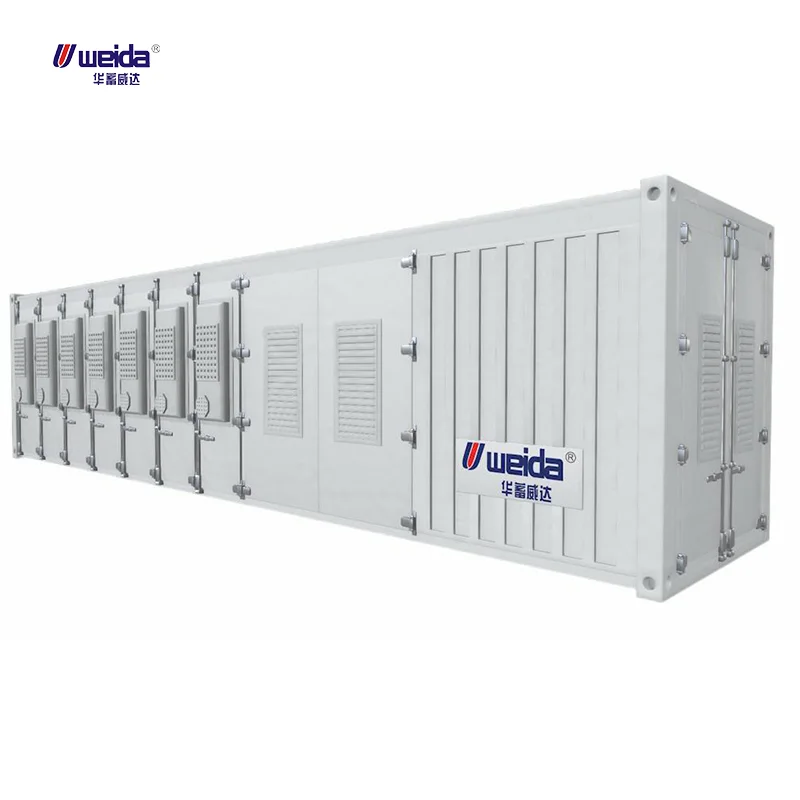
C&I battery storage should be sized from interval load data and a defined operating objective, not from facility area or monthly consumption alone.
A commercial site may want peak management, solar self-use, resilience, demand response, or several services at once. Those goals impose different power, duration, controls, metering, and availability requirements, while the electrical service and operating schedule limit what the system can do.
Model the baseline load and tariff first, separate kW demand from kWh duration, then test candidate dispatch strategies. The battery, PCS, EMS, switchgear, transformer, protection, thermal system, and site interface should be reviewed as one operating system.
A useful technical brief describes the operating problem before naming a product. Follow the steps below so the proposal can be sized against real loads, constraints, and operating priorities.
Product starting points
Use published ratings to create a shortlist, then confirm the final configuration against the project data and site conditions.
A family of cabinet and integrated battery energy storage formats for measured commercial and industrial project requirements.
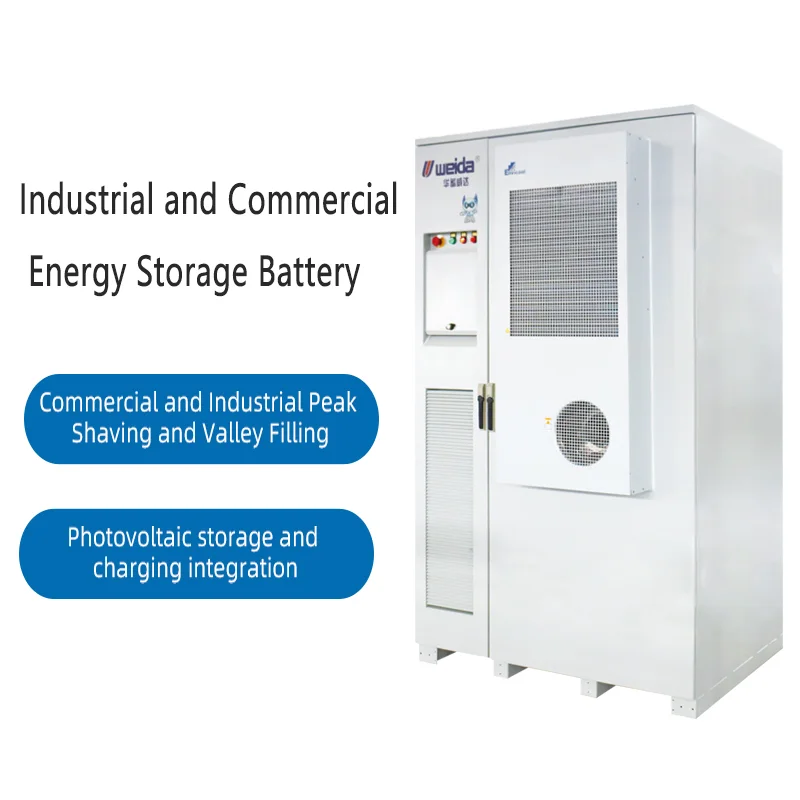
An outdoor LFP battery energy storage cabinet with a verified 100 kW power rating and 215 kWh nominal energy rating.
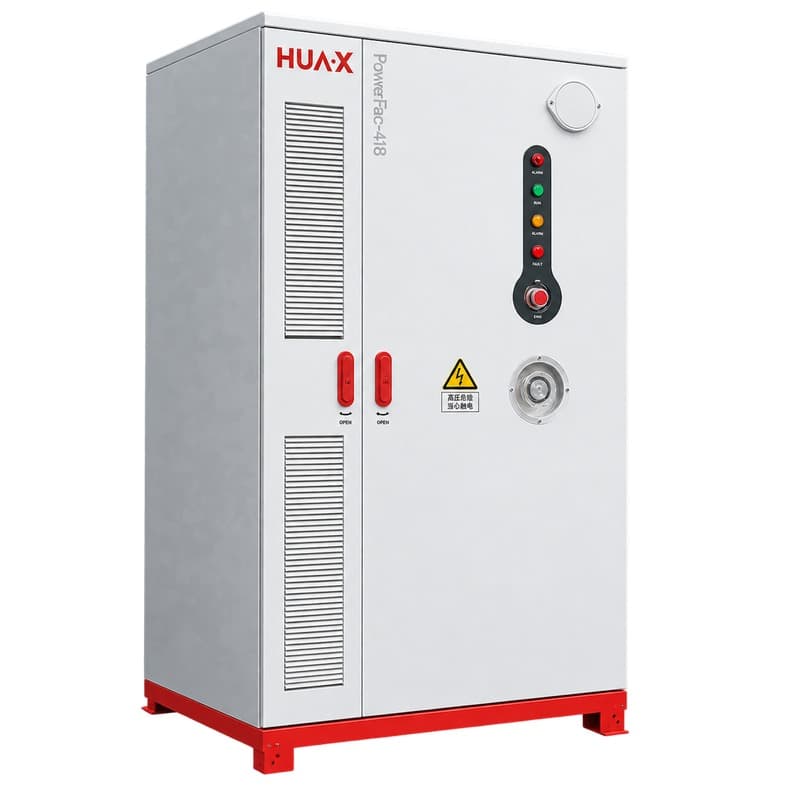
A liquid-cooled outdoor battery cabinet with 418 kWh nominal energy, 1331.2 V nominal DC voltage, and 314 Ah cell capacity.
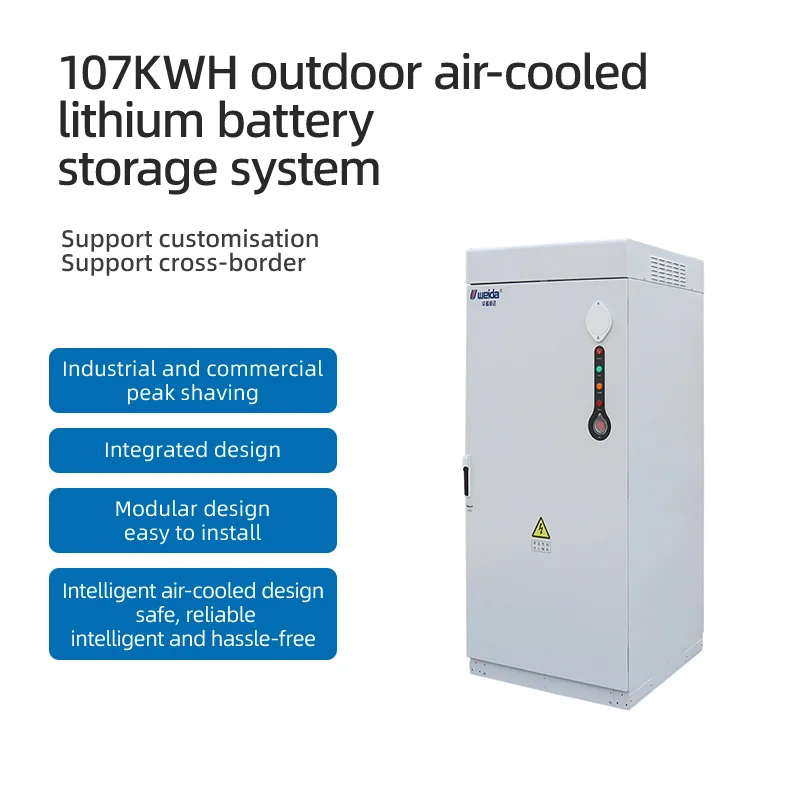
An outdoor air-cooled lithium battery storage system with verified 20 kW power and 107.52 kWh nominal energy ratings.
Technical reading
A defensible C&I BESS size comes from interval load data, a ranked operating objective, power constraints, required duration, and a model of usable—not just nameplate—energy.
Read guide →Air and liquid cooling are system-level choices. Compare heat density, temperature uniformity, ambient conditions, parasitic demand, acoustic limits, maintenance, fault response, and site layout—not capacity alone.
Read guide →A useful BESS RFQ states the operating objective, site data, power, usable energy, duration, electrical interface, environment, safety requirements, scope split, documents, and acceptance criteria.
Read guide →Frequently asked questions
Send real load and site inputs. The application context will stay attached to the inquiry.