buyer guide

Battery Energy Storage System RFQ Checklist

A useful BESS RFQ states the operating objective, site data, power, usable energy, duration, electrical interface, environment, safety requirements, scope split, documents, and acceptance criteria.

Buyer note: use this guide to structure the first technical discussion. Final sizing, compatibility, document scope, and commercial terms are confirmed for the actual project.

Key takeaways

  • Give suppliers the same site and duty assumptions so proposals are comparable.
  • Request usable energy and operating limits in addition to nameplate capacity.
  • Define who supplies every balance-of-system component and service.
  • Tie technical evidence to the exact quoted model and document revision.

1. Project basis and operating objective

State what the system must do, where it will operate, how success is measured, and which operating mode has priority when objectives conflict.

  • Site, destination, application, and project schedule
  • Normal, backup, islanded, maintenance, and failure modes
  • Interval load, renewable, tariff, outage, and grid data
  • Target power, duration, reserve, availability, and dispatch priority

2. Electrical, controls, and site interface

Define the point of connection and require a responsibility matrix for the battery, PCS, EMS, transformer, switchgear, protection, metering, communications, civil work, fire system, and commissioning.

  • AC and DC voltage, power, fault, protection, and interconnection data
  • EMS, SCADA, protocol, metering, remote access, and cybersecurity requirements
  • Ambient, altitude, enclosure, acoustic, seismic, corrosion, and access conditions
  • Foundation, cable route, transformer, switchgear, fire, and auxiliary-power scope

3. Performance and evidence package

Ask for nominal and usable energy, continuous and overload power, efficiency basis, auxiliary demand, thermal limits, derating, degradation assumptions, alarms, and current model-specific compliance evidence.

  • Controlled technical datasheet and configuration identifier
  • Operating window, temperature limits, derating, and unavailable states
  • Applicable certificates and reports with exact model references
  • Drawings, manuals, alarm matrix, maintenance plan, and spare-parts list

4. Commercial scope and acceptance

Commercial comparisons should use a common incoterm, destination, quantity, scope, schedule, payment basis, warranty document, service responsibility, and factory and site acceptance criteria.

  • Included equipment, software, documentation, services, spares, and exclusions
  • Packaging, transport, destination, unloading, installation, and storage
  • Production, factory test, shipping, site test, commissioning, and handover milestones
  • Written warranty, support path, response scope, and acceptance test procedure
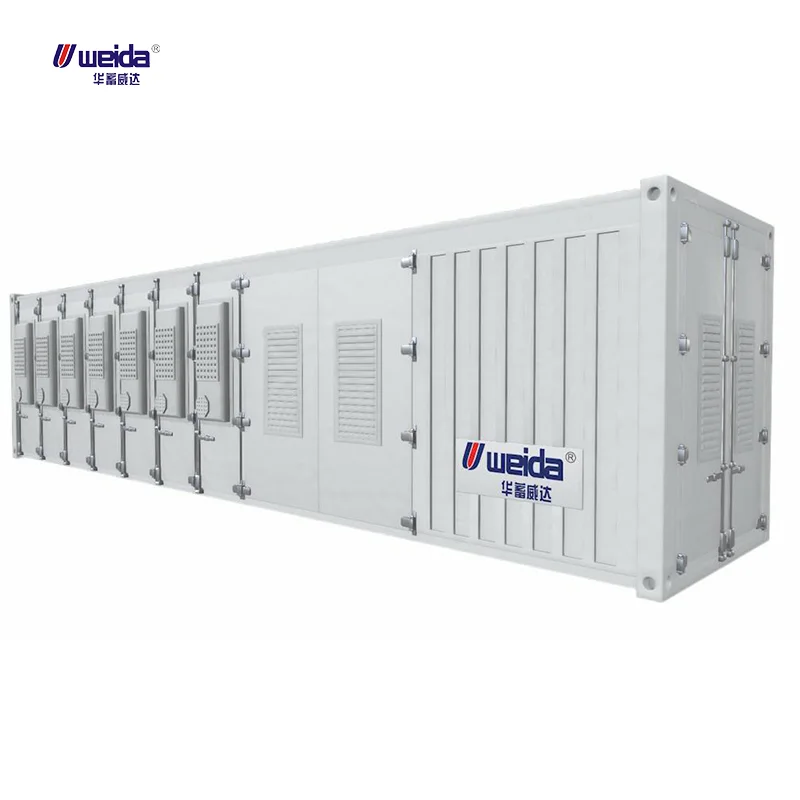
Related products

Compare relevant published records

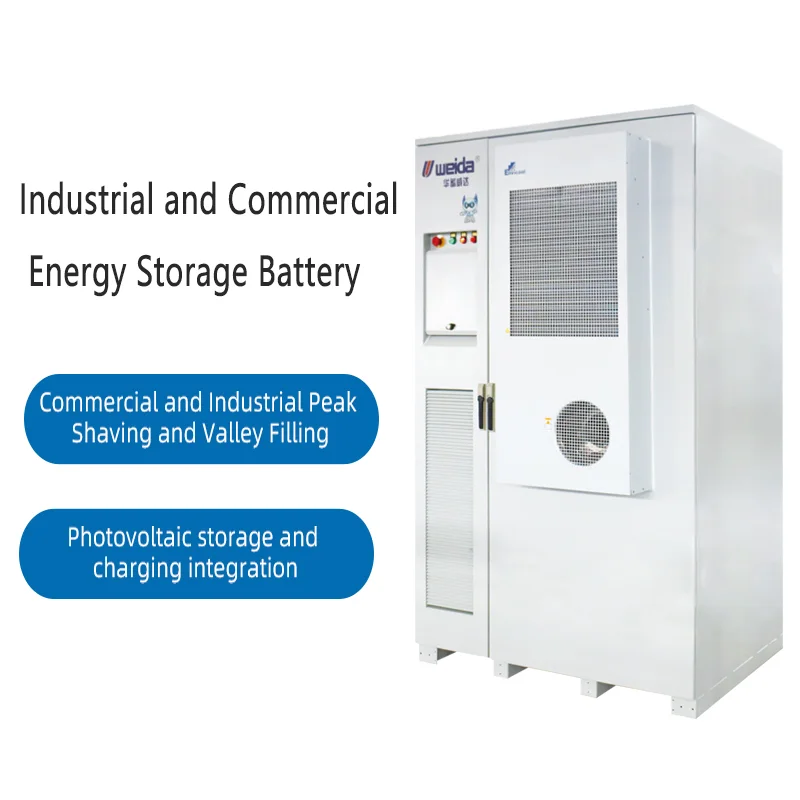
100 kW / 215 kWh BESS Cabinet

100 kW / 215 kWh Cabinet

An outdoor LFP battery energy storage cabinet with a verified 100 kW power rating and 215 kWh nominal energy rating.

Rated power
100 kW
Nominal energy
215 kWh
Nominal DC voltage
768 V
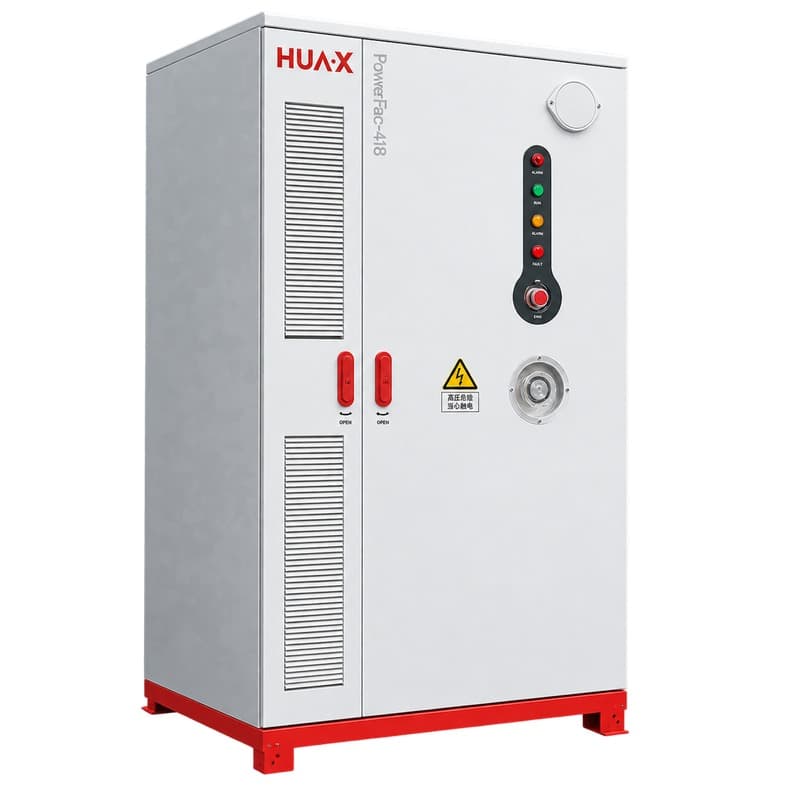
PowerFac-418 418 kWh Liquid-Cooled Battery Cabinet

PowerFac-418

A liquid-cooled outdoor battery cabinet with 418 kWh nominal energy, 1331.2 V nominal DC voltage, and 314 Ah cell capacity.

Nominal energy
418 kWh
Nominal DC voltage
1331.2 V
Cell capacity
314 Ah
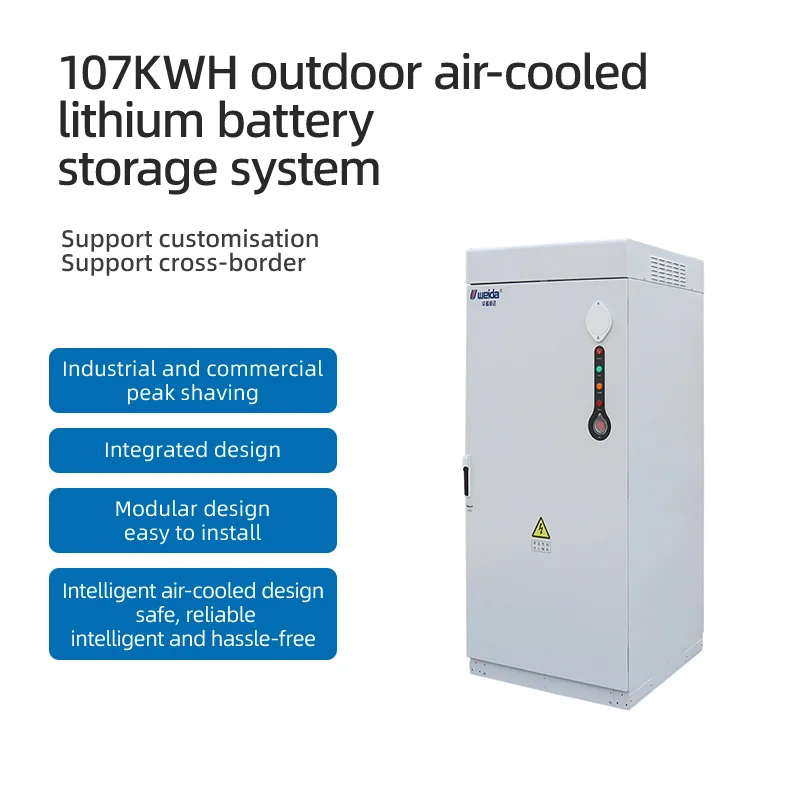
20 kW / 107.52 kWh Air-Cooled Energy Storage System

20 kW / 107.52 kWh ESS

An outdoor air-cooled lithium battery storage system with verified 20 kW power and 107.52 kWh nominal energy ratings.

Rated power
20 kW
Nominal energy
107.52 kWh
Nominal DC voltage
384 V

Related applications

Put the selection method into context

Frequently asked questions

What buyers ask before specifying a battery system

What should I include in a request for quotation?
Include the application, target voltage, power, usable energy, expected duty cycle, available installation space, destination country, and any project-specific compliance requirements. If values are not yet known, submit the load data and ask for technical selection support.
Why are prices not published on the product pages?
The listed products are project-configured B2B systems or battery series. Pricing depends on configuration, quantity, accessories, packaging, destination, and commercial terms, so the website does not publish placeholder or zero-value prices.
What is the production and delivery lead time?
Lead time is confirmed only after the configuration, quantity, compliance documents, packaging, and destination are known. No fixed lead-time promise is made on this website because these inputs materially change the schedule.
Which certifications are available?
Certification scope varies by model and destination. Request the current certificate and test-report package for the exact quoted model; legacy or expired certificates are not presented as current product credentials.
What warranty applies to the products?
Warranty terms are model- and contract-specific. Ask for the written warranty supplied with the exact quotation; design life, cycle data, and warranty are different concepts and must not be treated as interchangeable.

Use the guide to prepare a clearer RFQ

Share the actual project data and identify assumptions that still need engineering confirmation.