
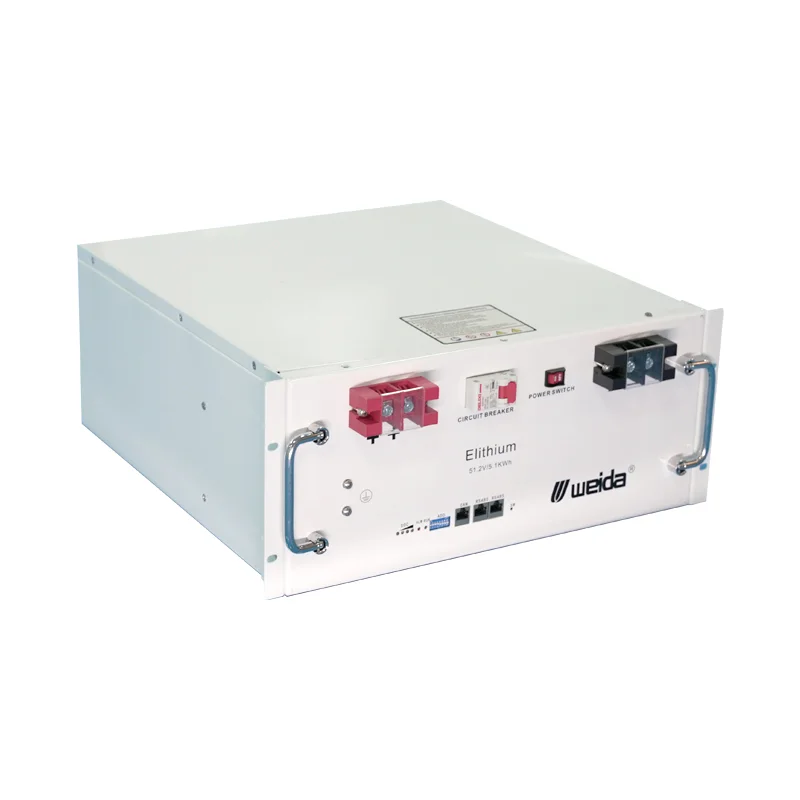
51.2 V Rack Module
A rack-mounted 51.2 V, 100 Ah battery module with 5.12 kWh nominal energy for compatible solar and backup architectures.
- Nominal voltage
- 51.2 V
- Nominal capacity
- 100 Ah
- Nominal energy
- 5.12 kWh
Response target: within 12 hours for project inquiries
Application / Residential
A home battery should be designed around measured loads, solar production, critical circuits, desired outage duration, and inverter compatibility.
A home battery should be designed around measured loads, solar production, critical circuits, desired outage duration, and inverter compatibility.
Monthly utility bills do not show the timing, surge, or criticality of household loads. Whole-home backup and critical-load backup are different designs, while photovoltaic output, export rules, seasonal conditions, and installation space affect the practical battery size.
Create a critical-load schedule, measure or estimate each load's power and daily energy, then model the solar and grid operating modes. Select rack, stacked, or wall-mounted batteries only after the inverter, communications, energy, and installation requirements are known.
A useful technical brief describes the operating problem before naming a product. Follow the steps below so the proposal can be sized against real loads, constraints, and operating priorities.
Product starting points
Use published ratings to create a shortlist, then confirm the final configuration against the project data and site conditions.
A rack-mounted 51.2 V, 100 Ah battery module with 5.12 kWh nominal energy for compatible solar and backup architectures.
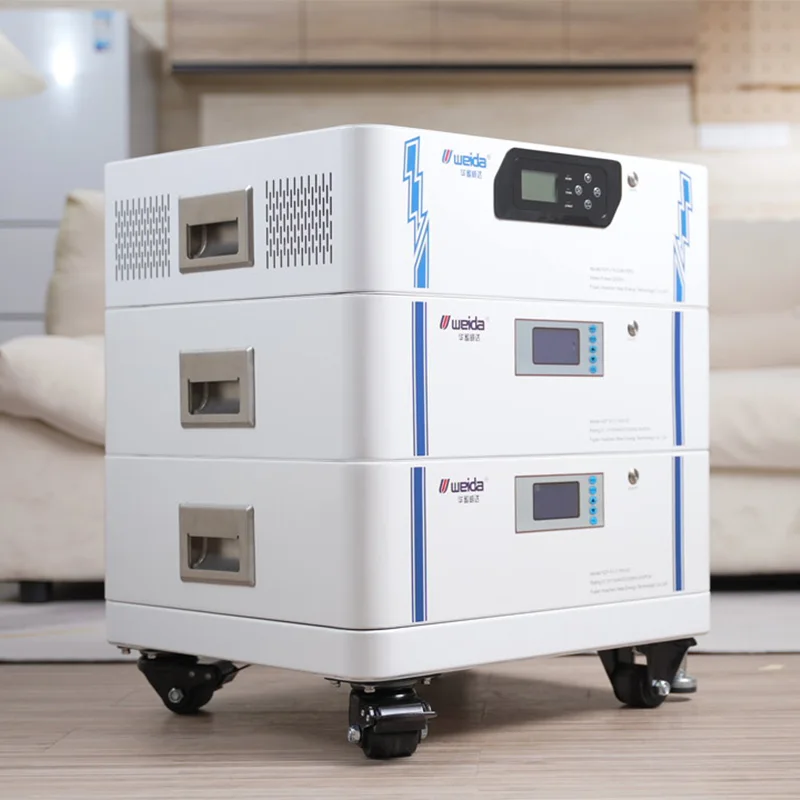
A modular stacked home-storage format built around verified 51.2 V, 100 Ah, 5.12 kWh battery modules.
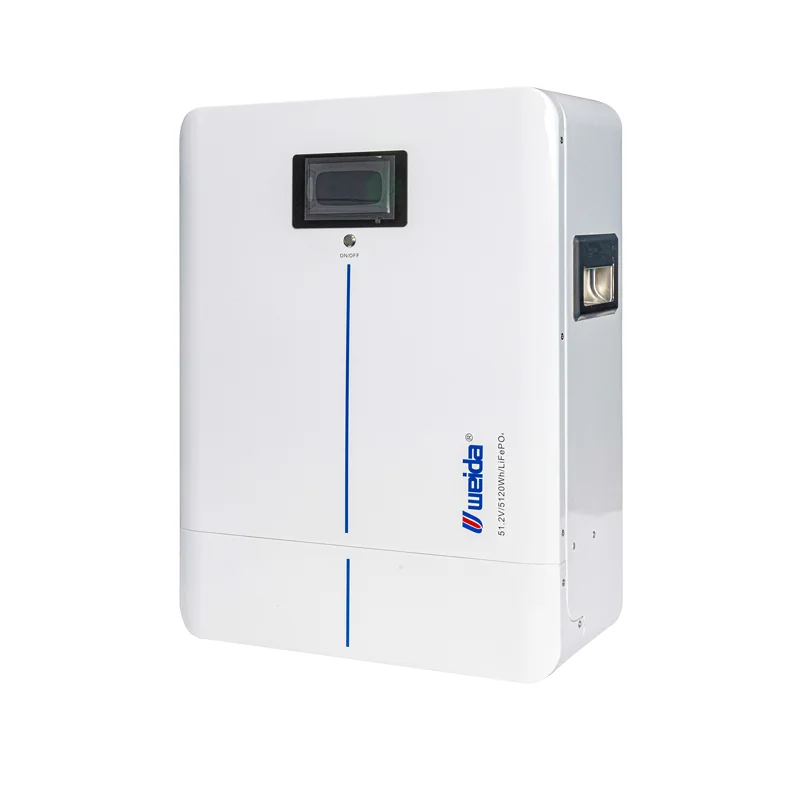
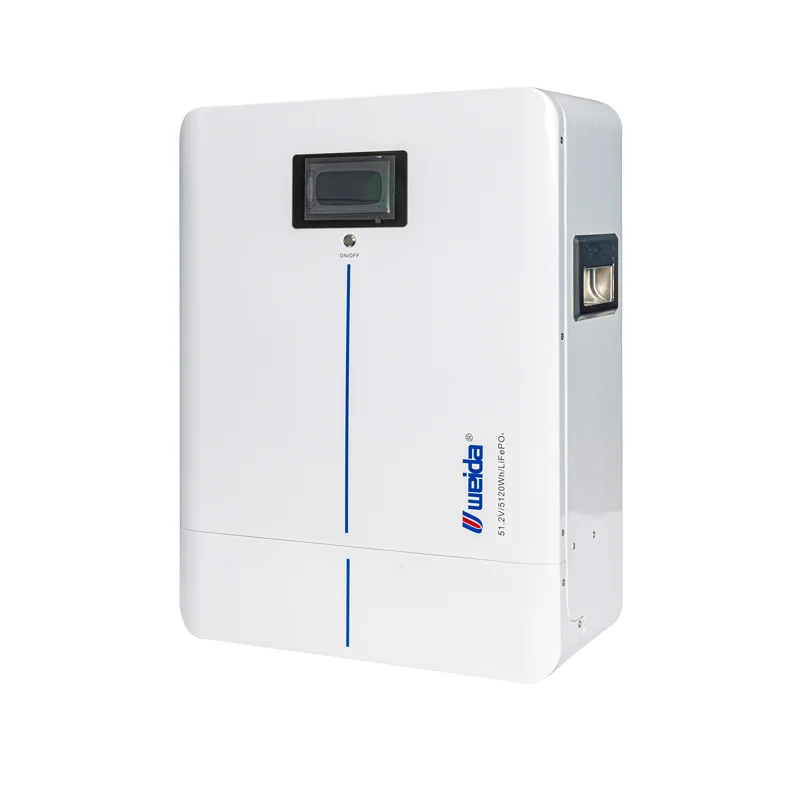
A 51.2 V wall-mounted battery series with verified nominal energy options of 5.12, 10.24, and 15.36 kWh.
Technical reading
Home-battery sizing starts with a critical-load schedule, power and surge requirements, daily energy, desired autonomy, solar production, and the inverter's supported battery configuration.
Read guide →Rack, stacked, and wall-mounted batteries mainly differ in mechanical format, expansion method, service access, footprint, cable routing, and integration. Energy needs and inverter compatibility remain the first filters.
Read guide →A solar battery is worth evaluating when it supports a defined objective that can be modeled from interval loads, solar production, outage needs, export limits, tariffs, and operating constraints.
Read guide →Frequently asked questions
Send real load and site inputs. The application context will stay attached to the inquiry.