By HUA-X
Published · Updated
Key takeaways
- Start with the objective, not the battery size.
- Model when solar surplus occurs and when stored energy has value.
- Backup power and solar self-consumption impose different sizing priorities.
- Compare the full installed and operating system, not a battery-only price.
When battery storage has a clear job
A battery has a clear role when the project can identify energy that is available to store, a later load or constraint it should serve, and a control strategy that connects the two.
- Capture otherwise curtailed or exported solar energy for later site use
- Support defined critical loads during outages
- Limit grid import or manage a measured demand profile
- Coordinate off-grid solar, battery, generator, and load shedding
Use time-series data before deciding capacity
Use interval rather than monthly totals whenever possible. The decision depends on the timing of generation and load, the size and duration of peaks, the value or constraint at each period, and the system's recharge opportunity.
- Interval load and photovoltaic production
- Tariffs, export compensation, import or export limits
- Outage frequency, duration, and critical-load list
- Inverter, service, panel, and installation constraints
Separate backup from solar self-consumption
Backup sizing starts with critical loads, outage duration, power and surge. Solar self-consumption starts with when photovoltaic surplus occurs, when site demand occurs and how much energy can move between those periods. One system can pursue both, but reserve held for outages reduces energy available for daily dispatch.
- Define the critical-load panel and outage operating mode.
- Measure photovoltaic export or curtailment before assuming surplus is available.
- State the minimum backup reserve and dispatch priority.
- Test consecutive low-solar days and the grid or generator recharge plan.
Check whole-system compatibility
The battery must work with the inverter, communications, operating voltage, charge and discharge limits, protection, transfer arrangement, metering, and control mode. Compatibility should be confirmed for exact models.
- Approved battery and inverter combination
- Normal, outage, islanded, and recovery behavior
- Nominal and usable energy, power, surge, and recharge time
- Installation location, structural support, clearances, and environment
Compare proposals with the same assumptions
Ask every supplier to state the same load, solar, operating window, reserve, losses, and service scope. Without common assumptions, capacity and price comparisons are misleading.
- Modeled energy flows and backup load list
- Usable energy and power at the proposed conditions
- Included equipment, installation, commissioning, monitoring, and exclusions
- Current model evidence, written warranty, and service responsibilities
When the project is not ready for a battery decision
Pause model selection when the objective, interval data, backup boundary, inverter interface or local installation requirements are still unknown. Buying on nameplate kWh or a promised payback period can hide incompatible equipment, insufficient power, unavailable solar energy or an incomplete installation scope.
- Do not assume every grid-tied photovoltaic system can operate during an outage.
- Do not treat nominal energy as delivered AC energy or guaranteed backup time.
- Do not compare battery-only prices against proposals that include different inverter, switchgear, installation, monitoring or service scope.
HUA-X product pathways to evaluate
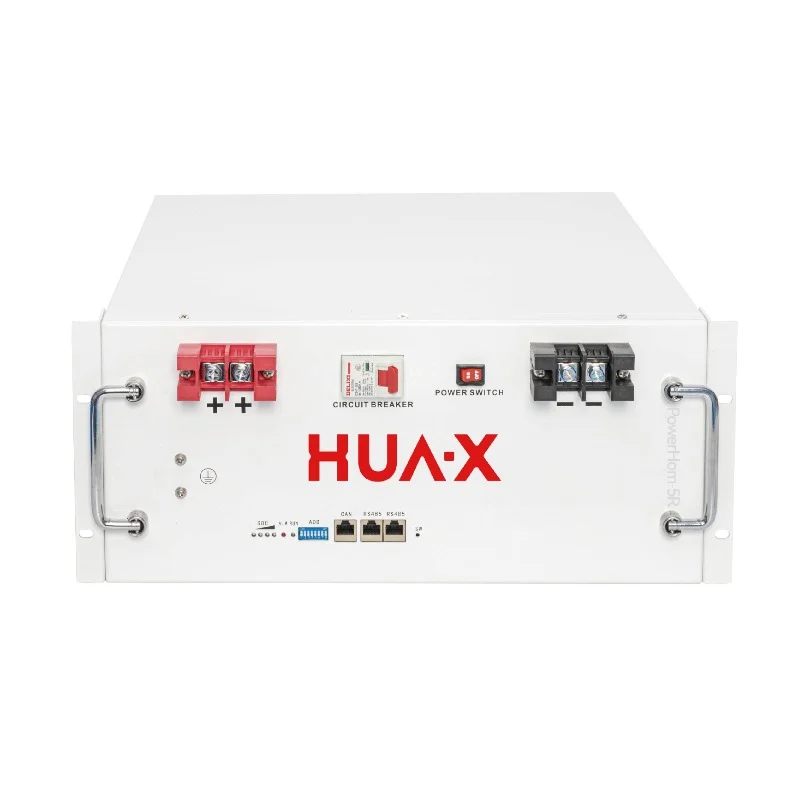
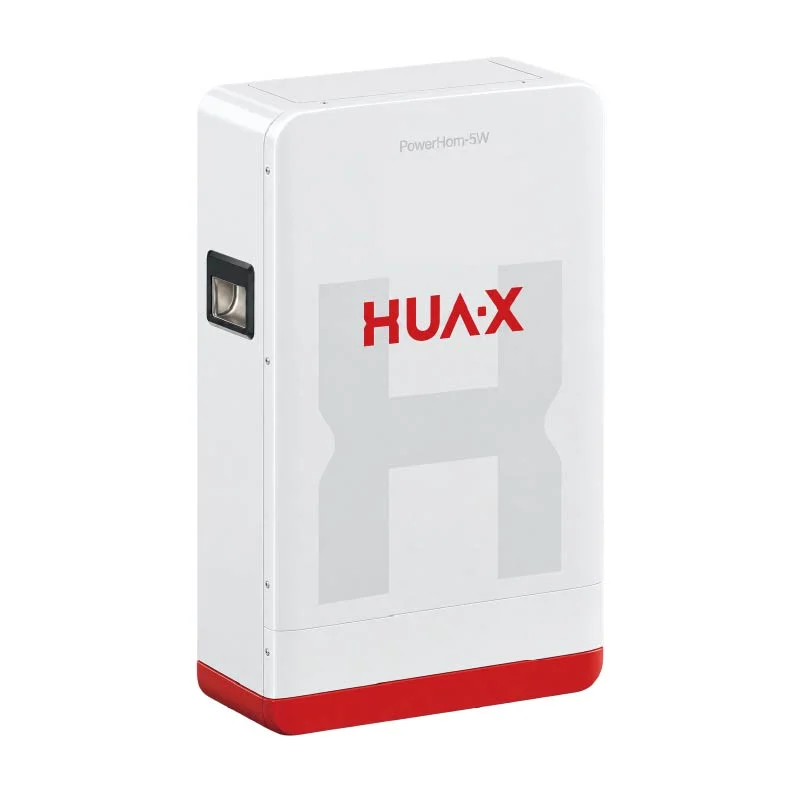
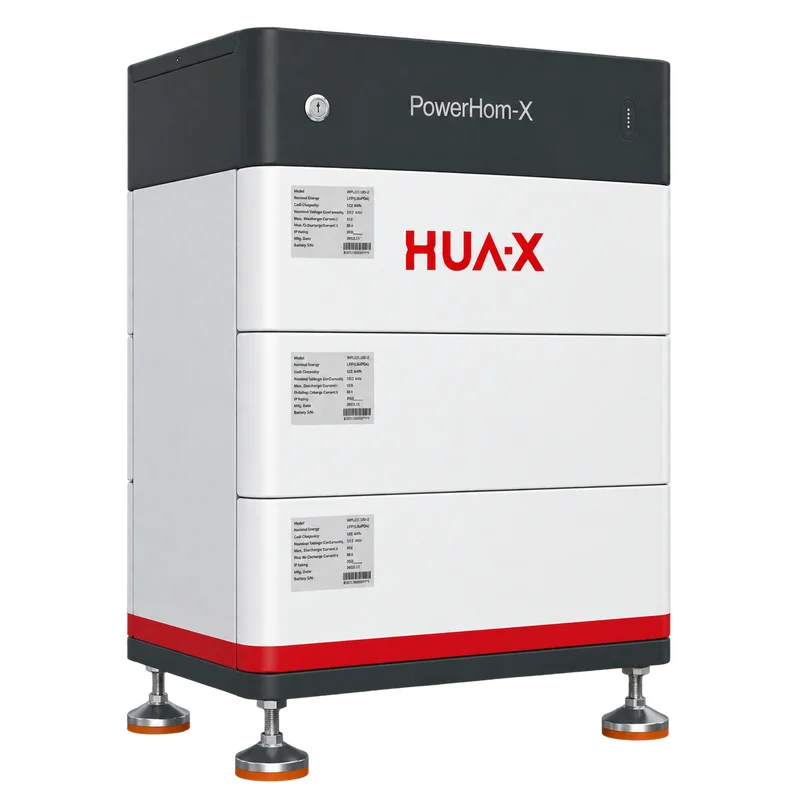
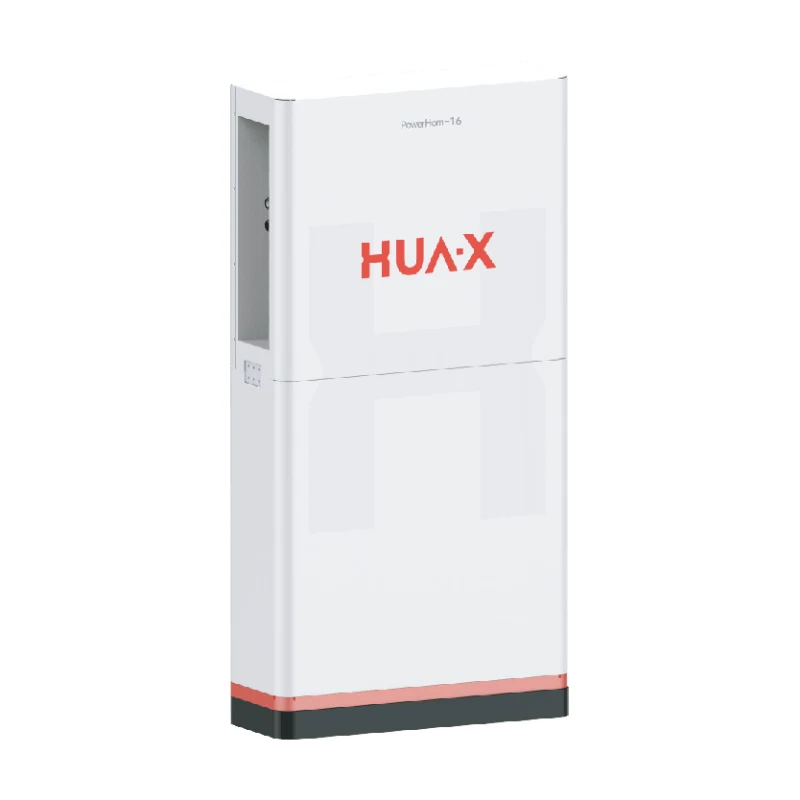
Use installation format and system voltage only after the duty is defined. PowerHom-5R is a 5.12 kWh rack battery, PowerHom-5W is a 5.12 kWh wall battery, and PowerHom-X is a 15.36 kWh high-voltage stacked system. PowerHom-16 and PowerHom-32 are larger integrated residential systems with published power-conversion and PV-input ratings.
- For every option, confirm usable energy, inverter compatibility, backup architecture and the applicable enclosure.
- Submit interval loads, PV data, critical loads, location, installation space and schedule for a configuration review.
References and further reading
These sources explain the technical background. Product performance, approvals, and installation requirements must be confirmed for the quoted system and project.
SAM: Battery Storage — Behind the Meter — System Advisor Model (SAM)
BTM battery configurations, sizing, voltage, power conversion, losses, thermal behavior and economic-comparison inputs.
SAM: Battery Dispatch — Behind the Meter — System Advisor Model (SAM)
Charging and discharging constraints, peak-shaving dispatch, time-varying prices and outage-priority behavior.
Valuing the Resilience Provided by Solar and Battery Energy Storage Systems — U.S. Department of Energy
Planning factors for solar-plus-storage resilience, including building load, outage timing and duration, critical loads and additional battery uses.
Residential Solar Storage & Backup — HUA-X
HUA-X application requirements and links to the published residential product records.