selection guide

How to Size a Home Battery from Load Data

Home-battery sizing starts with a critical-load schedule, power and surge requirements, daily energy, desired autonomy, solar production, and the inverter's supported battery configuration.

Buyer note: use this guide to structure the first technical discussion. Final sizing, compatibility, document scope, and commercial terms are confirmed for the actual project.

Key takeaways

  • Choose critical-load or whole-home backup scope before selecting capacity.
  • Convert each appliance into watts and watt-hours instead of relying on the utility bill total.
  • Check inverter surge and battery discharge power as well as energy.
  • Model recharge after an outage, not only discharge duration.

1. Set the backup boundary

Critical-load backup supports a selected circuit group, while whole-home backup must support the coincident demand and surge of a much larger load set. The two scopes should not share the same sizing assumption.

  • List essential, deferrable, and prohibited backup loads.
  • Record the largest motor, compressor, pump, or heating surge.
  • Decide which loads can be shed automatically during an outage.

2. Build a 24-hour load table

For each load, multiply operating watts by expected hours to estimate energy, but keep continuous and surge watts in separate columns. The battery must meet both the power and energy requirement.

  • Load name and backup priority
  • Continuous watts and starting surge
  • Expected daily hours or duty fraction
  • Daily watt-hours and outage behavior

3. Convert load energy into battery energy

Required nominal energy is greater than the load's watt-hours when reserve, the permitted state-of-charge window, inverter losses, temperature, and project aging assumptions are included.

  • Request nominal and usable battery energy.
  • Confirm the inverter efficiency assumption at the relevant load.
  • Include a reserve for critical loads and uncertain outage length.
  • Check maximum discharge power at the selected battery count.

4. Test solar and grid recharge

A battery that can cover the outage may still be poorly sized if the available solar or grid charge power cannot restore it before the next operating period.

  • Model seasonal photovoltaic production rather than one annual average.
  • Reserve daytime energy for live loads before assigning surplus to charging.
  • Check inverter charge power and the battery's allowed charge rate.
  • Define behavior when solar remains low for consecutive days.
Related products

Compare relevant published records

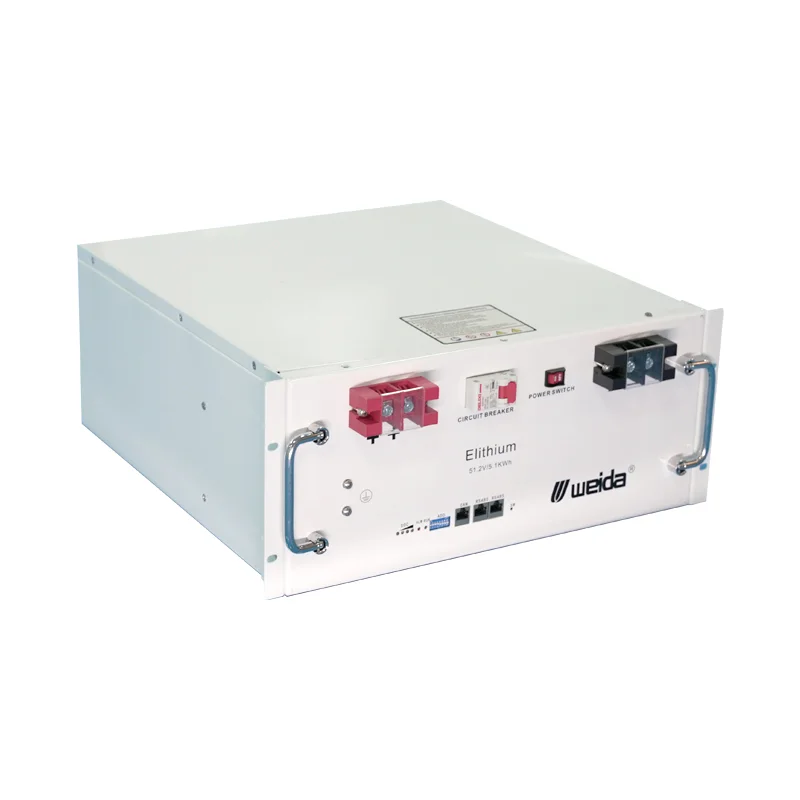
51.2 V 100 Ah Rack-Mounted Energy Storage Module

51.2 V Rack Module

A rack-mounted 51.2 V, 100 Ah battery module with 5.12 kWh nominal energy for compatible solar and backup architectures.

Nominal voltage
51.2 V
Nominal capacity
100 Ah
Nominal energy
5.12 kWh
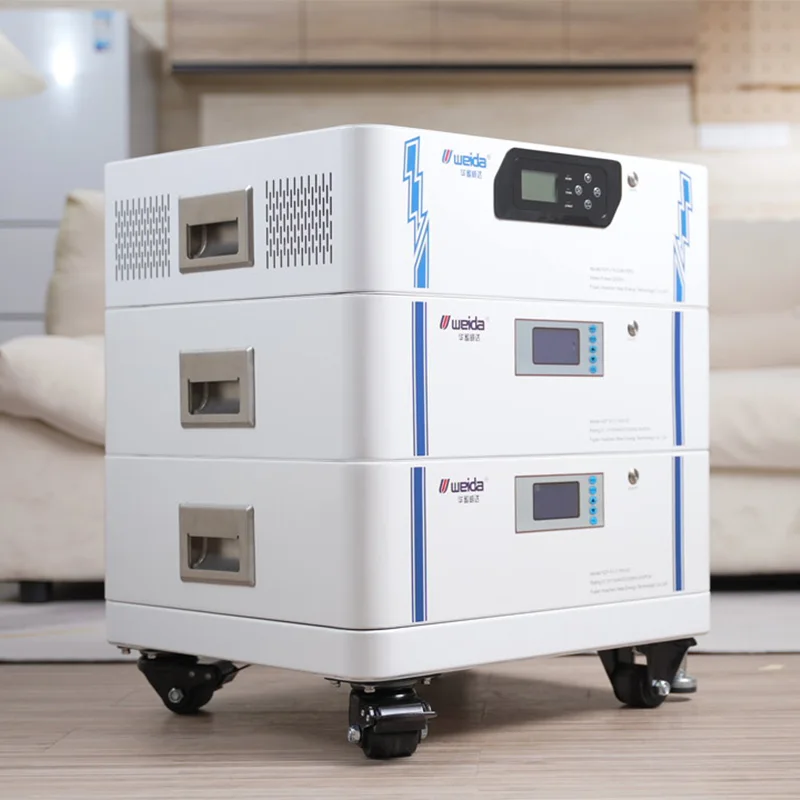
51.2 V 100 Ah Stacked Energy Storage Module

5.12 kWh Stacked Module

A modular stacked home-storage format built around verified 51.2 V, 100 Ah, 5.12 kWh battery modules.

Nominal voltage per module
51.2 V
Nominal capacity per module
100 Ah
Nominal energy per module
5.12 kWh
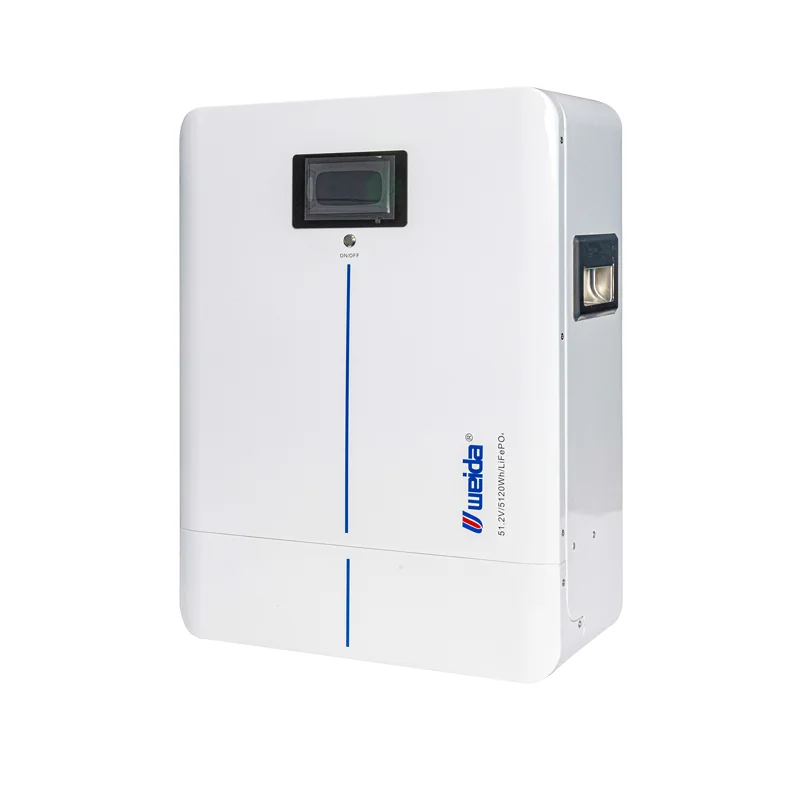
51.2 V Wall-Mounted Energy Storage Series

Wall-Mounted Home Battery

A 51.2 V wall-mounted battery series with verified nominal energy options of 5.12, 10.24, and 15.36 kWh.

Nominal voltage family
51.2 V
Nominal energy options
5.12 / 10.24 / 15.36 kWh
Installation format
Wall mounted

Related applications

Put the selection method into context

Frequently asked questions

What buyers ask before specifying a battery system

How is a battery sized for a solar project?
Sizing starts with interval load data, photovoltaic production, desired backup loads, outage duration, export limits, tariff periods, and the operating objective. Oversizing from monthly consumption alone can produce a poor technical and commercial result.
Can a home battery back up every household load?
Only if the inverter power, battery energy, surge requirement, wiring, and changeover design support those loads. Critical-load backup and whole-home backup are different designs and should be specified separately.
Is nameplate energy the same as usable energy?
Not necessarily. Usable energy depends on the permitted state-of-charge window, operating conditions, conversion losses, control strategy, and project limits. Ask for both nominal and usable values in the final proposal.
How do rack-mounted, stacked, and wall-mounted home batteries differ?
They primarily differ in installation format, expansion method, service access, footprint, and system integration. Select the format after checking space, inverter compatibility, required energy, cable routing, and local installation rules.

Use the guide to prepare a clearer RFQ

Share the actual project data and identify assumptions that still need engineering confirmation.