technology guide

Air-Cooled vs Liquid-Cooled BESS: A Project Selection Guide

Air and liquid cooling are system-level choices. Compare heat density, temperature uniformity, ambient conditions, parasitic demand, acoustic limits, maintenance, fault response, and site layout—not capacity alone.

Buyer note: use this guide to structure the first technical discussion. Final sizing, compatibility, document scope, and commercial terms are confirmed for the actual project.

Key takeaways

  • Cooling choice is not a universal quality ranking.
  • Airflow paths and liquid circuits create different service and failure considerations.
  • The thermal design should be evaluated at project operating conditions.
  • Controls, alarms, access, and maintenance capability are part of the cooling decision.

How air-cooled battery systems manage heat

Air-cooled systems move conditioned or ambient air across internal components. Their suitability depends on heat density, airflow distribution, filters, duct paths, ambient limits, fan redundancy, noise, and service access.

  • Review inlet and outlet paths and recirculation risk.
  • Check dust, humidity, corrosion, filter, and fan maintenance requirements.
  • Ask how cell and module temperature spread is monitored.

How liquid-cooled battery systems manage heat

Liquid-cooled systems transfer heat through cold plates or related circuits. Evaluate fluid type, pumps, manifolds, leak detection, isolation, controls, service procedures, and performance at the site's ambient and duty conditions.

  • Confirm coolant circuit ownership and service interval.
  • Review pump redundancy, leak detection, alarms, and safe shutdown logic.
  • Check how the design limits temperature variation across the battery system.

Compare both architectures against one duty

A valid comparison holds the electrical duty and site conditions constant, then compares temperature control, auxiliary energy, acoustic impact, footprint, maintenance, failure modes, and lifecycle service scope.

  • Rated and usable performance at maximum site ambient
  • Parasitic demand during operation and standby
  • Service tasks, intervals, tools, spares, and local capability
  • Alarm, derating, shutdown, and recovery behavior

Questions to add to the RFQ

Request the thermal operating envelope and service plan with the electrical proposal. A cooling label without limits, controls, and maintenance details is not enough to evaluate project fit.

  • What ambient and duty conditions define full power?
  • What temperatures trigger alarm, derating, or shutdown?
  • What auxiliary energy, noise, and maintenance are expected?
  • Which thermal-system parts are included in warranty and service scope?
Related products

Compare relevant published records

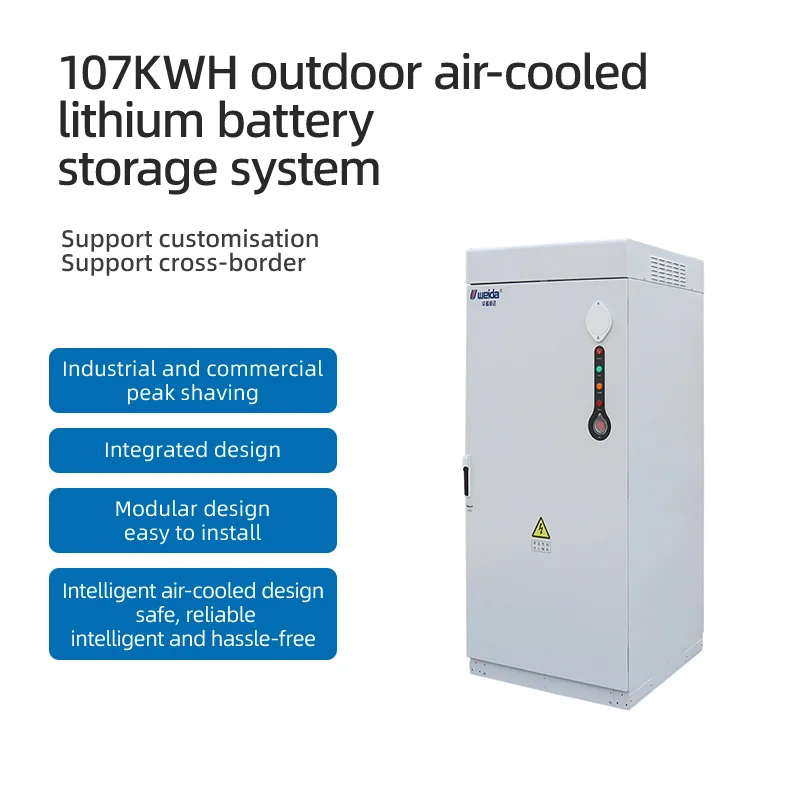
20 kW / 107.52 kWh Air-Cooled Energy Storage System

20 kW / 107.52 kWh ESS

An outdoor air-cooled lithium battery storage system with verified 20 kW power and 107.52 kWh nominal energy ratings.

Rated power
20 kW
Nominal energy
107.52 kWh
Nominal DC voltage
384 V
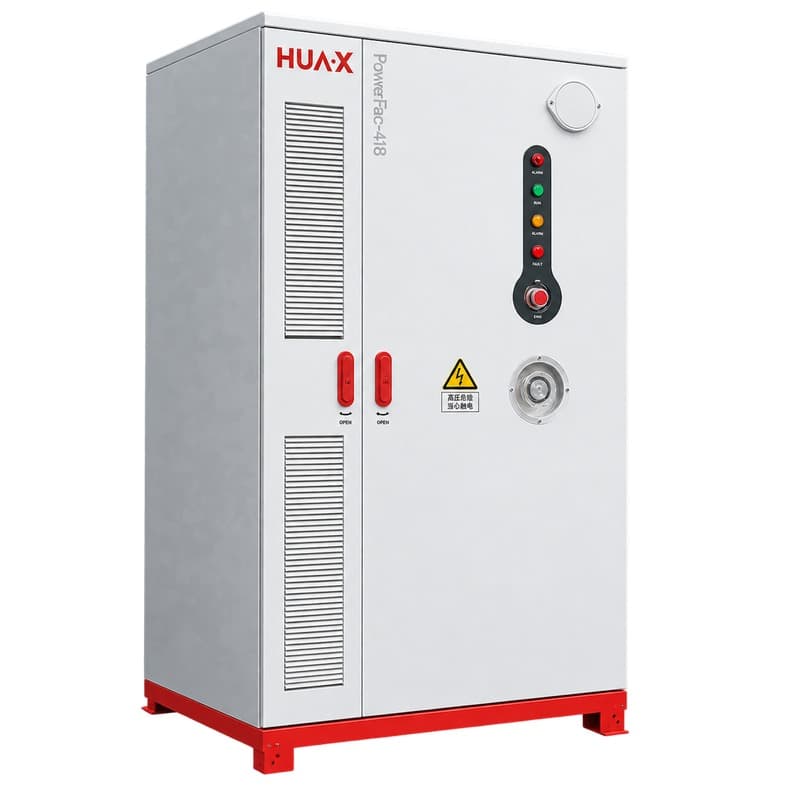
PowerFac-418 418 kWh Liquid-Cooled Battery Cabinet

PowerFac-418

A liquid-cooled outdoor battery cabinet with 418 kWh nominal energy, 1331.2 V nominal DC voltage, and 314 Ah cell capacity.

Nominal energy
418 kWh
Nominal DC voltage
1331.2 V
Cell capacity
314 Ah
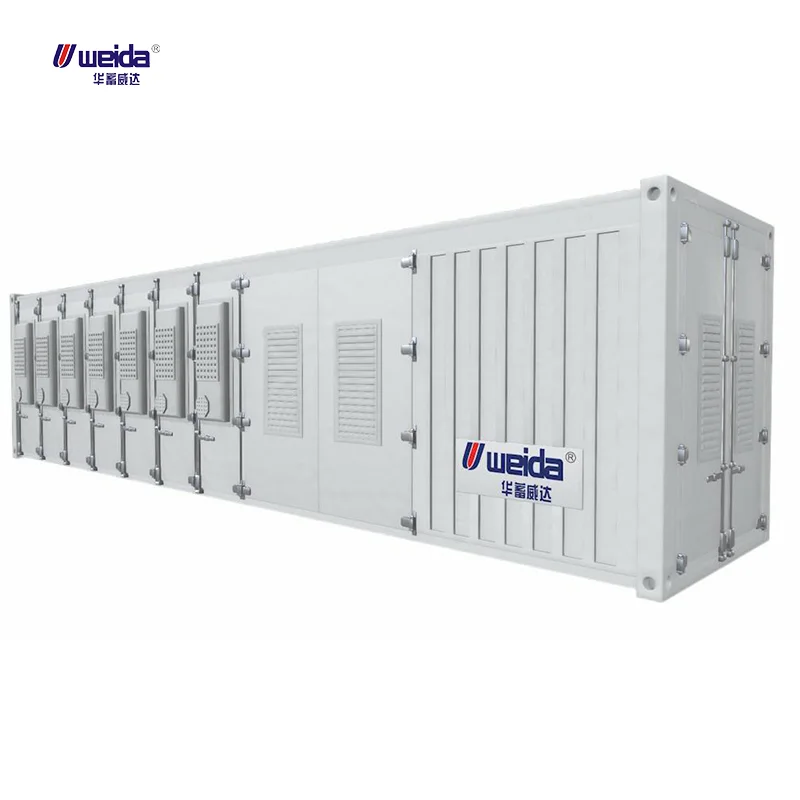
500 kW / 1075.2 kWh Containerized Energy Storage System

500 kW / 1075.2 kWh ESS

A verified 500 kW / 1075.2 kWh containerized system configuration with a stated two-hour duration and IP54 enclosure rating.

Rated power
500 kW
Nominal energy
1075.2 kWh
Stated duration
2 hours

Related applications

Put the selection method into context

Frequently asked questions

What buyers ask before specifying a battery system

When should I consider air-cooled or liquid-cooled energy storage?
Cooling selection depends on system size, heat density, ambient conditions, enclosure layout, service access, and the project performance target. Compare the complete thermal design rather than choosing from capacity alone.
What safety information should a BESS proposal include?
A project proposal should identify the cell chemistry, electrical protection, BMS architecture, thermal management, enclosure rating, fire strategy, emergency isolation, monitoring, installation limits, and the standards required by the destination project.
What information is needed to size a battery energy storage system?
Provide the load profile, target power and energy duration, grid or generator constraints, installation environment, operating temperature range, and the functions the system must perform. A single capacity figure is not enough for responsible system selection.
What warranty applies to the products?
Warranty terms are model- and contract-specific. Ask for the written warranty supplied with the exact quotation; design life, cycle data, and warranty are different concepts and must not be treated as interchangeable.

Use the guide to prepare a clearer RFQ

Share the actual project data and identify assumptions that still need engineering confirmation.