
solar storage

51.2 V 100 Ah Stacked Energy Storage Module

A modular stacked home-storage format built around 51.2 V, 100 Ah, 5.12 kWh battery modules.
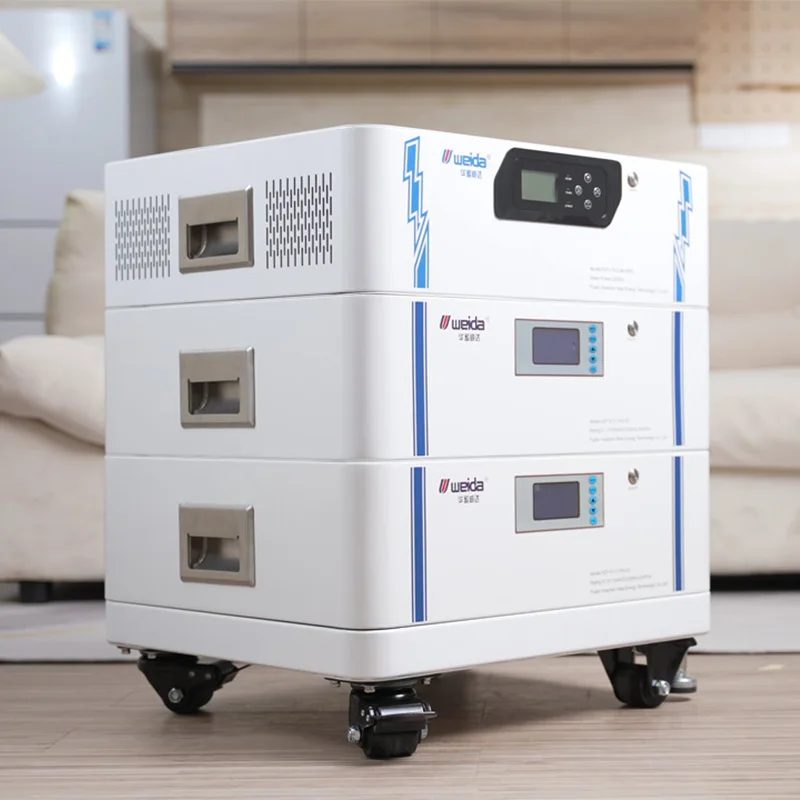
  • 5.12 kWh nominal energy per module
  • 51.2 V nominal voltage per module
  • 100 Ah nominal capacity per module
  • Stacked modular format
Nominal voltage per module
51.2 V
Nominal capacity per module
100 Ah
Nominal energy per module
5.12 kWh
Installation format
Stacked modular
51.2 V 100 Ah Stacked Energy Storage Module

Product overview

Stacked modules support capacity planning in defined increments, subject to the approved stack count, inverter interface, floor loading, cable design, and the project's usable-energy target.

Configuration note: nameplate values help define the starting point. Final usable energy, interfaces, operating limits, document scope, and commercial terms are confirmed for the specific project.

5.12 kWh nominal energy per module

Review this attribute together with the complete system, destination requirements, and operating conditions.

51.2 V nominal voltage per module

Review this attribute together with the complete system, destination requirements, and operating conditions.

100 Ah nominal capacity per module

Review this attribute together with the complete system, destination requirements, and operating conditions.

Stacked modular format

Review this attribute together with the complete system, destination requirements, and operating conditions.

Key specifications

51.2 V 100 Ah Stacked Energy Storage Module — published technical data
ParameterValueCondition or note
Nominal voltage per module51.2 VConfirm final operating conditions in the project proposal.
Nominal capacity per module100 AhConfirm final operating conditions in the project proposal.
Nominal energy per module5.12 kWhConfirm final operating conditions in the project proposal.
Installation formatStacked modularConfirm final operating conditions in the project proposal.

Applications to evaluate

Residential photovoltaic self-use

Validate the duty cycle, site, interfaces, and operating objective before confirming model suitability.

Critical-load backup

Validate the duty cycle, site, interfaces, and operating objective before confirming model suitability.

Expandable small-site storage

Validate the duty cycle, site, interfaces, and operating objective before confirming model suitability.

Review the application requirements

Selection, supply scope and engineering notes

  1. Confirm the allowed number of modules and whether the system connection is series, parallel, or a defined integrated architecture.
  2. Match inverter voltage, communications, charge settings, and protection to the approved stack.
  3. Check base stability, floor loading, clearances, and service access for the complete stack.

Confirm the project responsibility matrix

The product rating does not define a turnkey project scope. The quotation should identify who supplies, integrates, installs, commissions, and accepts each applicable item.

  • Battery system, BMS, thermal management, enclosure, internal protection, and communications
  • PCS, EMS or SCADA, transformer, switchgear, metering, external protection, and grid interface
  • Fire strategy, foundations, lifting, cable routing, installation, testing, and commissioning
  • Documentation, training, spare parts, warranty conditions, maintenance, and acceptance records

Technical documents

Use the public page and any available procurement brief for initial comparison. Request the applicable controlled data sheet, drawings, test or certificate evidence, and commercial documents for the exact quoted model and destination.

Guides for your technical review

Home Battery Sizing

Size a home battery from the loads that must run, their coincident and starting power, required backup hours, usable-energy assumptions, recharge opportunity, and the inverter's supported battery configuration.

Read guide →

Home Battery Formats

Rack, stacked, and wall-mounted batteries mainly differ in mechanical format, expansion method, service access, footprint, cable routing, and integration. Energy needs and inverter compatibility remain the first filters.

Read guide →

Solar Battery Decision Guide

A solar battery is worth evaluating when it supports a defined objective that can be modeled from interval loads, solar production, outage needs, export limits, tariffs, and operating constraints.

Read guide →

Frequently asked questions

What buyers ask before specifying a battery system

Answers cover the information needed to confirm configuration, operating conditions, documentation, price, and delivery.

How is a battery sized for a solar project?
Sizing starts with interval load data, photovoltaic production, desired backup loads, outage duration, export limits, tariff periods, and the operating objective. Oversizing from monthly consumption alone can produce a poor technical and commercial result.
Can a home battery back up every household load?
Only if the inverter power, battery energy, surge requirement, wiring, and changeover design support those loads. Critical-load backup and whole-home backup are different designs and should be specified separately.
How do rack-mounted, stacked, and wall-mounted home batteries differ?
They primarily differ in installation format, expansion method, service access, footprint, and system integration. Select the format after checking space, inverter compatibility, required energy, cable routing, and local installation rules.
Is nameplate energy the same as usable energy?
Not necessarily. Usable energy depends on the permitted state-of-charge window, operating conditions, conversion losses, control strategy, and project limits. Ask for both nominal and usable values in the final proposal.
Which certifications are available?
Certification scope varies by model and destination. Request the current certificate and test-report package for the exact quoted model.
Why are prices not published on the product pages?
The listed products are project-configured B2B systems or battery series. Pricing depends on configuration, quantity, accessories, packaging, destination, and commercial terms, so quotations are prepared against a defined project scope.

Discuss the 5.12 kWh Stacked Module

Technical questions and quotation enquiries for this model.