
energy storage

PowerFac-522 125/250 kW / 522 kWh Liquid-Cooled ESS

A high-density liquid-cooled commercial and industrial energy storage system with 522 kWh nominal energy and 125 kW or 250 kW power options.
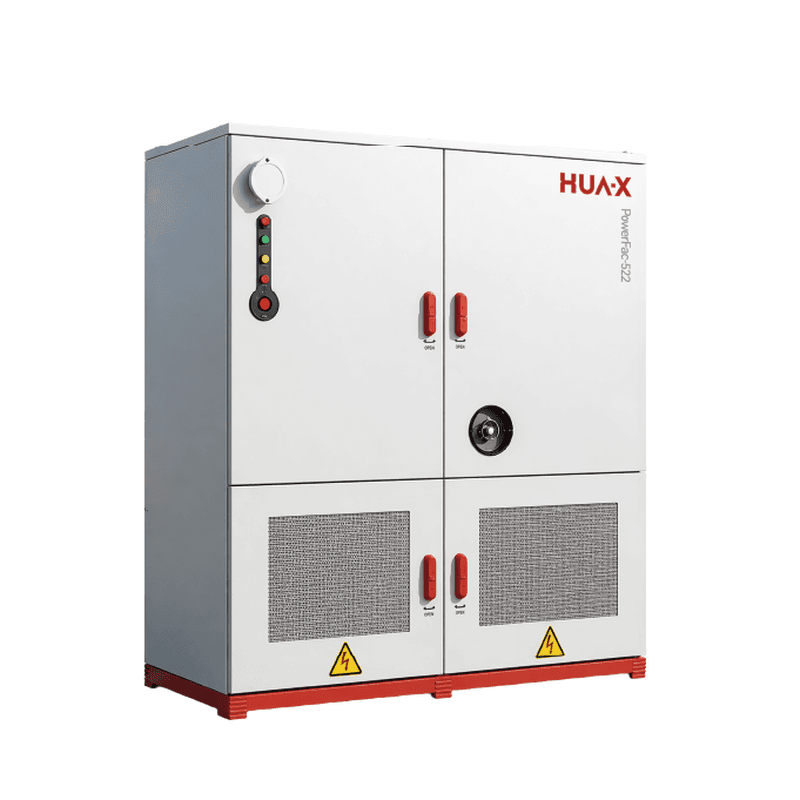
  • 522 kWh nominal energy
  • 125 kW or 250 kW power options
  • AC 400 V system connection
  • Liquid-cooled LFP architecture
Rated power options
125 kW / 250 kW
Nominal energy
522 kWh
AC connection
400 V
Battery chemistry
LFP
PowerFac-522 125/250 kW / 522 kWh Liquid-Cooled ESS

Product overview

PowerFac-522 is designed for larger behind-the-meter projects that need 522 kWh in a single outdoor cabinet. Pro and Max configurations differ in system details; final option, fire design, controls, and operating strategy must be confirmed in the proposal.

Configuration note: nameplate values help define the starting point. Final usable energy, interfaces, operating limits, document scope, and commercial terms are confirmed for the specific project.

522 kWh nominal energy

Review this attribute together with the complete system, destination requirements, and operating conditions.

125 kW or 250 kW power options

Review this attribute together with the complete system, destination requirements, and operating conditions.

AC 400 V system connection

Review this attribute together with the complete system, destination requirements, and operating conditions.

Liquid-cooled LFP architecture

Review this attribute together with the complete system, destination requirements, and operating conditions.

Key specifications

PowerFac-522 125/250 kW / 522 kWh Liquid-Cooled ESS — published technical data
ParameterValueCondition or note
Rated power options125 kW / 250 kWConfirm final operating conditions in the project proposal.
Nominal energy522 kWhConfirm final operating conditions in the project proposal.
AC connection400 VConfirm final operating conditions in the project proposal.
Battery chemistryLFPConfirm final operating conditions in the project proposal.
Charge/discharge rate options0.25C / 0.5CConfirm final operating conditions in the project proposal.
Thermal managementLiquid coolingConfirm final operating conditions in the project proposal.
Dimensions1925 × 1400 × 2425 mmConfirm final operating conditions in the project proposal.
Approximate mass5 tConfirm final operating conditions in the project proposal.

Applications to evaluate

Industrial and commercial energy management

Validate the duty cycle, site, interfaces, and operating objective before confirming model suitability.

Renewable integration and peak management

Validate the duty cycle, site, interfaces, and operating objective before confirming model suitability.

Data centers and site resilience

Validate the duty cycle, site, interfaces, and operating objective before confirming model suitability.

Microgrid and mobile-power support

Validate the duty cycle, site, interfaces, and operating objective before confirming model suitability.

Selection and engineering notes

  1. Select the 125 kW or 250 kW configuration from the required power-to-energy ratio and site duty cycle.
  2. Confirm whether the Pro or Max architecture is proposed and document the BMS balancing and fire-system scope.
  3. Validate usable energy, PCS, EMS, grid interface, ambient conditions, clearance, foundation, and service access for the site.

Frequently asked questions

What buyers ask before specifying a battery system

Answers cover the information needed to confirm configuration, operating conditions, documentation, price, and delivery.

What information is needed to size a battery energy storage system?
Provide the load profile, target power and energy duration, grid or generator constraints, installation environment, operating temperature range, and the functions the system must perform. A single capacity figure is not enough for responsible system selection.
When should I consider air-cooled or liquid-cooled energy storage?
Cooling selection depends on system size, heat density, ambient conditions, enclosure layout, service access, and the project performance target. Compare the complete thermal design rather than choosing from capacity alone.
Is nameplate energy the same as usable energy?
Not necessarily. Usable energy depends on the permitted state-of-charge window, operating conditions, conversion losses, control strategy, and project limits. Ask for both nominal and usable values in the final proposal.
What safety information should a BESS proposal include?
A project proposal should identify the cell chemistry, electrical protection, BMS architecture, thermal management, enclosure rating, fire strategy, emergency isolation, monitoring, installation limits, and the standards required by the destination project.
Why are prices not published on the product pages?
The listed products are project-configured B2B systems or battery series. Pricing depends on configuration, quantity, accessories, packaging, destination, and commercial terms, so the website does not publish placeholder or zero-value prices.
What is the production and delivery lead time?
Lead time is confirmed only after the configuration, quantity, compliance documents, packaging, and destination are known. No fixed lead-time promise is made on this website because these inputs materially change the schedule.

Discuss the PowerFac-522

The inquiry keeps this product context attached, so the receiving team can see which specifications and application triggered the request.