buyer guide

Battery Energy Storage Safety: What a Project Review Should Cover

A BESS safety review should connect cell and module behavior to electrical protection, BMS controls, thermal management, enclosure, fire strategy, emergency response, site layout, installation, and operating procedures.

Buyer note: use this guide to structure the first technical discussion. Final sizing, compatibility, document scope, and commercial terms are confirmed for the actual project.

Key takeaways

  • Safety is a layered system property, not a single component claim.
  • The required standards and approvals depend on destination and project type.
  • Emergency isolation, alarms, access, and responder information belong in the design.
  • Ask for current model-specific evidence rather than generic certificate logos.

1. Define credible project hazards

The review should identify electrical, thermal, fire, mechanical, environmental, control, human, and external hazards that are credible for the exact system and site.

  • Overcurrent, short circuit, ground fault, isolation, and arc exposure
  • Overcharge, overdischarge, overheating, thermal propagation, and loss of cooling
  • Water, dust, corrosion, flooding, impact, seismic, and access risks
  • Communication loss, sensor faults, control errors, and unauthorized operation

2. Map protection layers to each hazard

Document how cell selection, fusing, contactors, BMS, PCS, thermal controls, enclosure, ventilation, fire systems, site spacing, and operating procedures prevent, detect, isolate, or mitigate each hazard.

  • Prevention and design limits
  • Detection, alarms, and data retention
  • Automatic isolation, derating, and shutdown
  • Containment, ventilation, suppression, and emergency access

3. Request model- and project-specific evidence

Ask for current reports, certificates, drawings, software descriptions, alarm matrices, installation limits, and operating manuals tied to the exact quoted model and controlled document revision.

  • Applicable destination standards and authority requirements
  • Battery, PCS, enclosure, fire, and system test evidence
  • Single-line, layout, protection, communications, and emergency drawings
  • Traceable model identifiers and document revision control

4. Carry safety into site operation

Commissioning, acceptance tests, monitoring, inspection, software change control, incident response, maintenance, spares, training, and end-of-life responsibilities should be assigned before handover.

  • Factory and site acceptance criteria
  • Alarm response and escalation responsibilities
  • Preventive maintenance and impairment procedures
  • Emergency information, training, records, and decommissioning plan
Related products

Compare relevant published records

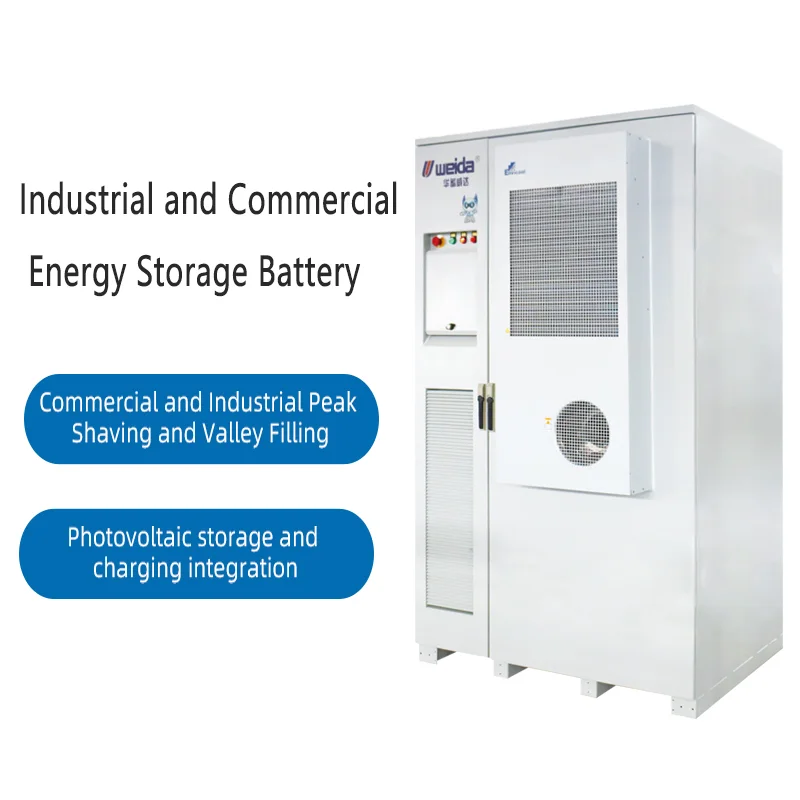
100 kW / 215 kWh BESS Cabinet

100 kW / 215 kWh Cabinet

An outdoor LFP battery energy storage cabinet with a verified 100 kW power rating and 215 kWh nominal energy rating.

Rated power
100 kW
Nominal energy
215 kWh
Nominal DC voltage
768 V
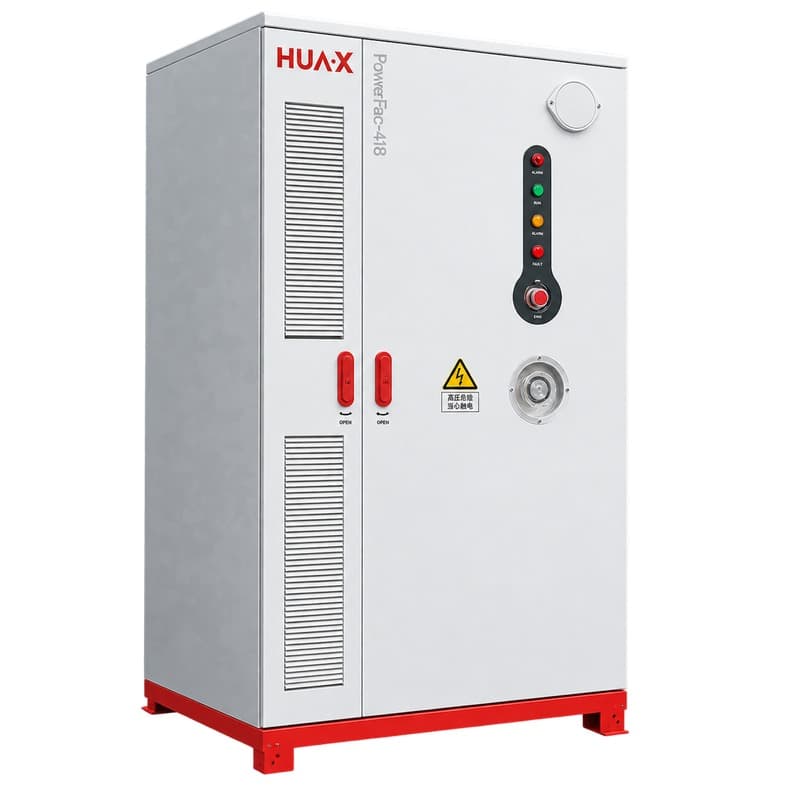
PowerFac-418 418 kWh Liquid-Cooled Battery Cabinet

PowerFac-418

A liquid-cooled outdoor battery cabinet with 418 kWh nominal energy, 1331.2 V nominal DC voltage, and 314 Ah cell capacity.

Nominal energy
418 kWh
Nominal DC voltage
1331.2 V
Cell capacity
314 Ah
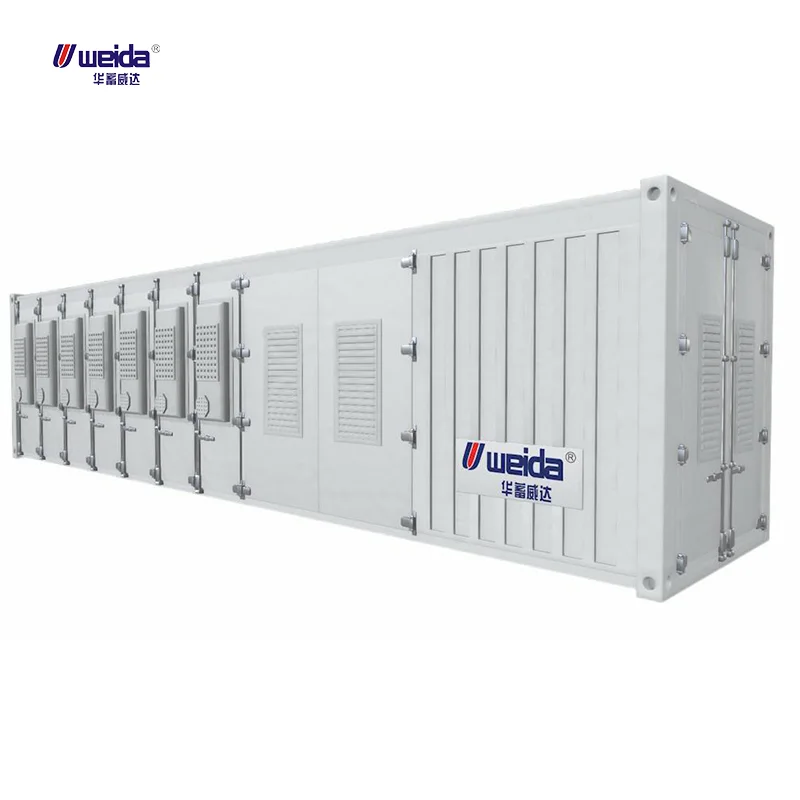
500 kW / 1075.2 kWh Containerized Energy Storage System

500 kW / 1075.2 kWh ESS

A verified 500 kW / 1075.2 kWh containerized system configuration with a stated two-hour duration and IP54 enclosure rating.

Rated power
500 kW
Nominal energy
1075.2 kWh
Stated duration
2 hours

Related applications

Put the selection method into context

Frequently asked questions

What buyers ask before specifying a battery system

What safety information should a BESS proposal include?
A project proposal should identify the cell chemistry, electrical protection, BMS architecture, thermal management, enclosure rating, fire strategy, emergency isolation, monitoring, installation limits, and the standards required by the destination project.
Which certifications are available?
Certification scope varies by model and destination. Request the current certificate and test-report package for the exact quoted model; legacy or expired certificates are not presented as current product credentials.
What warranty applies to the products?
Warranty terms are model- and contract-specific. Ask for the written warranty supplied with the exact quotation; design life, cycle data, and warranty are different concepts and must not be treated as interchangeable.
What information is needed to size a battery energy storage system?
Provide the load profile, target power and energy duration, grid or generator constraints, installation environment, operating temperature range, and the functions the system must perform. A single capacity figure is not enough for responsible system selection.

Use the guide to prepare a clearer RFQ

Share the actual project data and identify assumptions that still need engineering confirmation.