
How many vehicles charge simultaneously and at what power?
Include this information in the RFQ so a reviewer can compare the right architecture and operating limits.
Response target: within 12 hours for project inquiries
charging and conversion
Charging equipment and storage integration concepts for site-level EV infrastructure.
Charging-site design coordinates charger power, simultaneous demand, service capacity, transformer limits, solar production, storage dispatch, tariffs, user dwell time, networking, and site operations.
Include this information in the RFQ so a reviewer can compare the right architecture and operating limits.
Include this information in the RFQ so a reviewer can compare the right architecture and operating limits.
Include this information in the RFQ so a reviewer can compare the right architecture and operating limits.
Published products
Use these ratings to create a shortlist. Final configuration still depends on the project, operating conditions, and destination requirements.
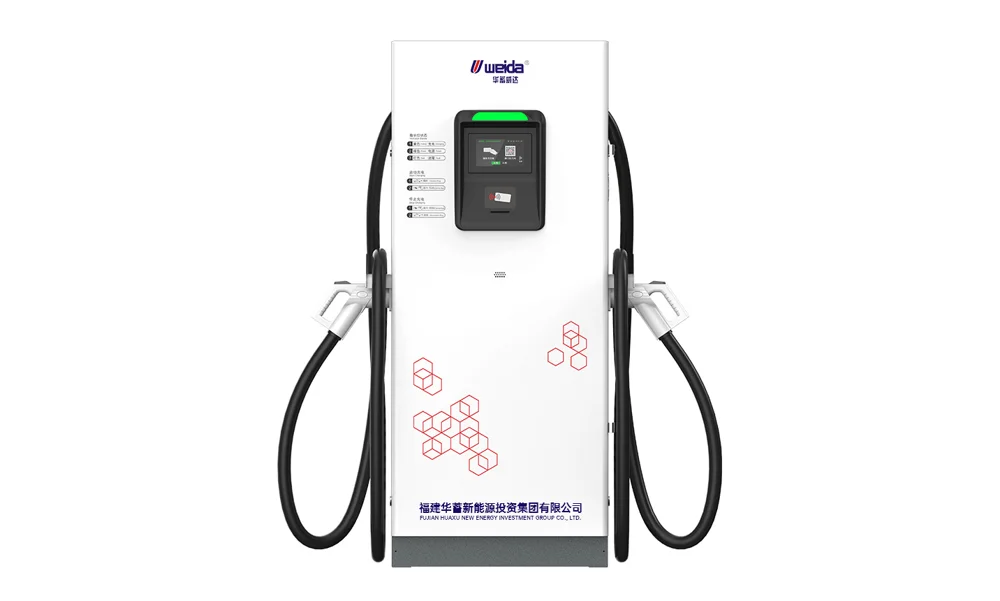
Two-port DC chargers with 60, 120 and 180 kW cabinet ratings and a 200–1,000 V DC output range.
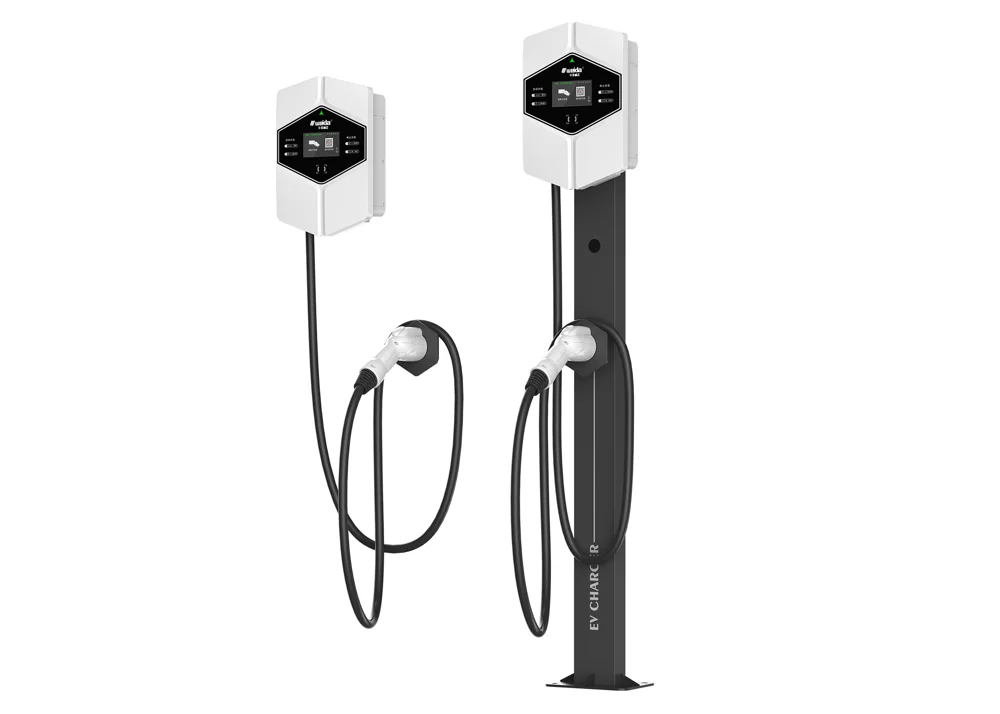
A 7 kW AC vehicle charger with a 220 V input, 32 A maximum output current and a 3.5 m charging cable.
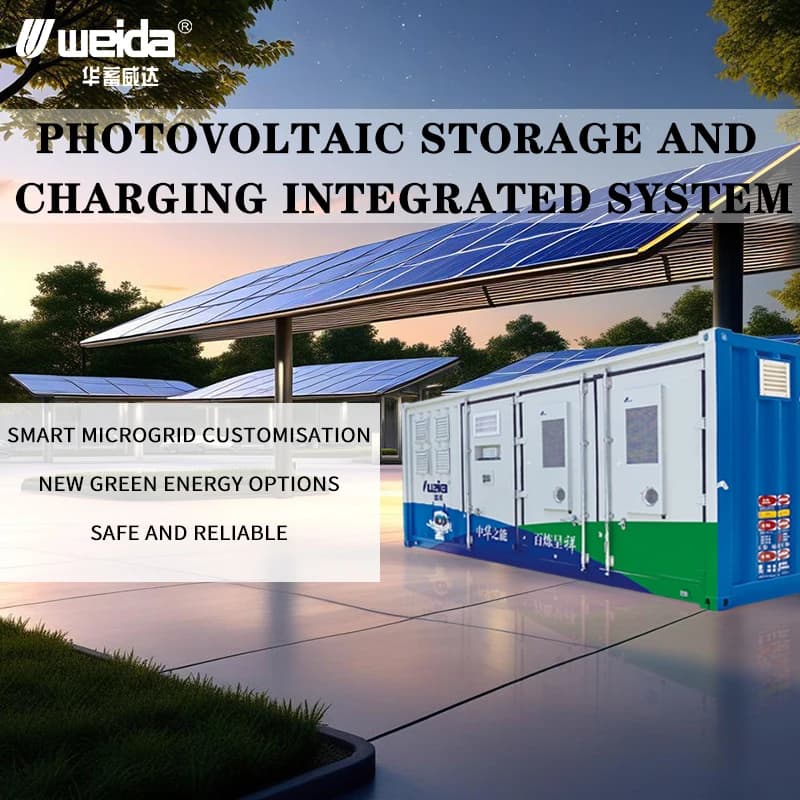
A project-configured charging station combining a photovoltaic array, battery storage, an energy management system and EV charging equipment.
Related families
Power-conversion products for solar, storage, and off-grid system architecture.
Compare family →Coordinated photovoltaic, battery, inverter, and control solutions for hybrid power projects.
Compare family →Product options for your application and installation conditions.